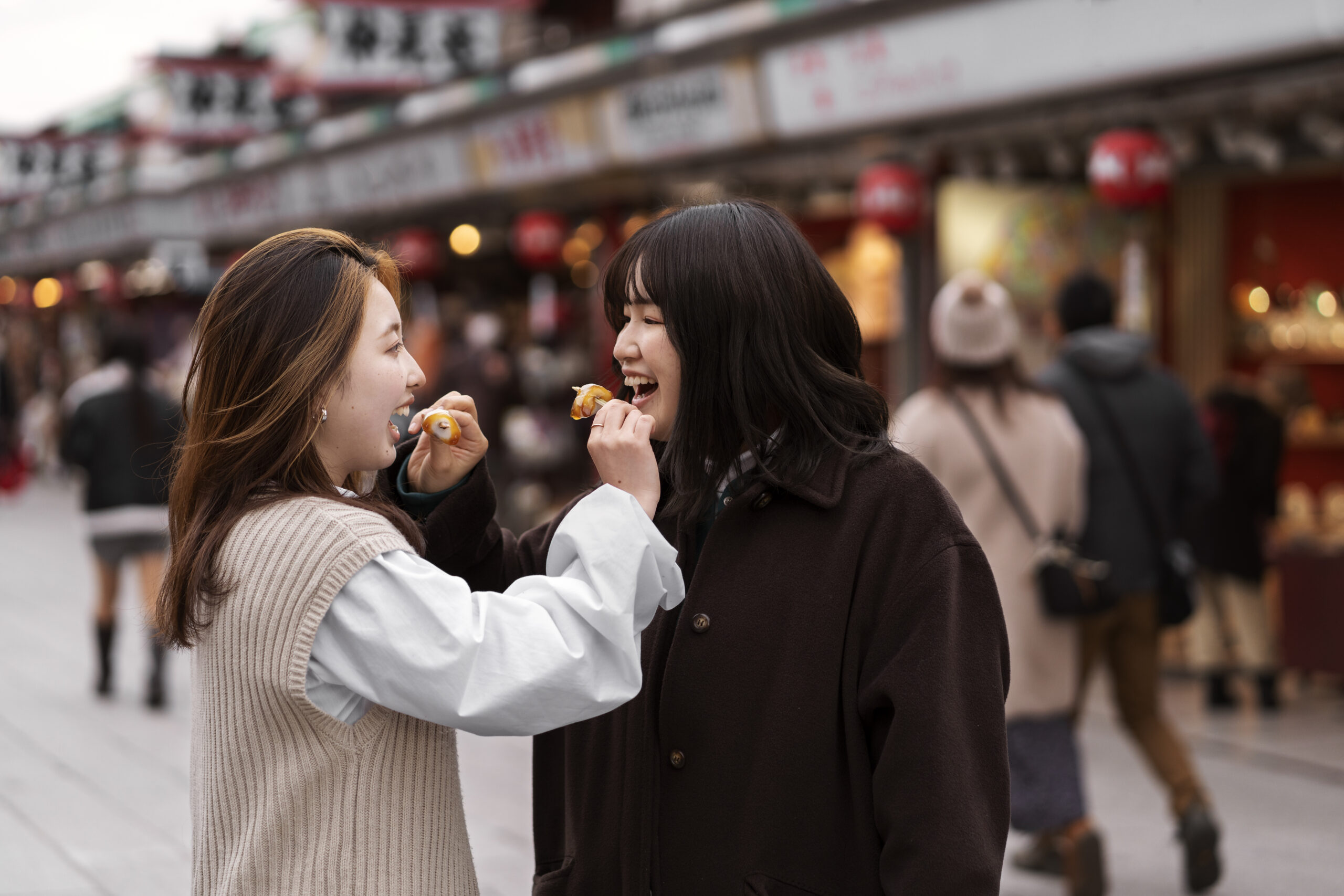
Japan values harmony, respect, and an awareness of how one’s actions affect the people around them. Because of this, everyday life is shaped by countless small behaviors that most locals follow without thinking—yet rarely appear in any official rulebook. For newcomers, these unwritten expectations can be surprising, confusing, or even easy to miss entirely. Learning them not only helps you blend in more comfortably but also prevents the kind of accidental misunderstandings that many foreigners experience during their first weeks in Japan. Understanding these subtle customs will make daily life smoother, friendlier, and far less awkward.
1. Keep Quiet on Trains and Public Transport

When on Japanese public transport, you should keep your voice low and avoid talking loudly or on your phone to respect the quiet environment. Most passengers remain silent, so it is essential to avoid any noise disturbances, including loud conversations, phone calls, or music played through headphones. If you need to make a call, please wait until you exit the train car.
Rules for Keeping Quiet
- Avoid phone calls: This is considered very rude on most public transport.
- Keep conversations quiet: If you must speak with someone, keep your voice low.
- Set phone to silent: Ensure your phone is on silent mode to prevent notifications from disturbing others.
- Keep headphone volume low: Listen to music or videos at a volume that doesn’t leak to others.
Etiquette to Keep in Mind
- Mind your bags: Take off your backpack or hold it in front of you, especially during crowded times, to avoid bumping into people.
- Offer your seat: Give up priority seats for the elderly, pregnant, disabled, or those with young children.
- Avoid eating: Eating is generally not allowed on urban trains, so it’s best to wait until you reach your destination.
2. Avoid Blocking Doors or Escalators

To avoid blocking doors or escalators in Japan, be mindful of queues and follow the flow of foot traffic. In public spaces, step aside quickly after exiting escalators to prevent pileups and maintain a smooth flow, especially during rush hour. On escalators, stand on one side and leave the other free for people who are walking.
Escalator Etiquette
- Stand and walk: Stand on one side of the escalator and leave the other side open for walking.
- Regional difference: In Tokyo and eastern Japan, stand on the left and walk on the right. In Osaka and western Japan, stand on the right and walk on the left.
- Large luggage: For large bags or rolling luggage, consider using an elevator to avoid obstructing others.
Door Etiquette
- Avoid holding the door: While the intention is good, holding a door for others can be considered inconvenient, as it might make them feel they need to rush.
3. Respect Queueing Culture—Lines Are Sacred

To show respect for Japanese queuing culture, patiently wait in an orderly line, follow floor markings, don’t cut, and maintain a quiet demeanor. This etiquette is a fundamental sign of respect and consideration for others, applied in situations ranging from public transport to store checkouts and restrooms.
4. Keep Your Voice Down in Public Spaces

In Japan. it is considered impolite to be loud in public spaces like trains, buses, and restaurants, so you should keep your voice down to show respect and maintain social harmony.
General Etiquette
- Keep conversations low: Speak in a soft volume, especially on trains and buses where a calm atmosphere is expected.
- Disapproval is often subtle: Japanese people may show disapproval through their facial expressions rather than by speaking up, so it is best to be mindful of your own behavior to avoid causing subtle offense.
5. Separate Honne and Tatemae (Private Feelings vs Public Face)

For foreigners in Japan, the key social rule regarding honne (true feelings) and tatemae (public facade) is to recognize and respect the strong cultural preference for tatemae in public settings. Prioritizing social harmony over blunt honesty helps maintain smooth interactions and avoid causing embarrassment or conflict.
The Concepts
Honne (本音)
Refers to a person’s genuine desires, opinions, and true feelings. These are typically private and shared only with one’s closest family and friends in informal settings.
Tatemae (建前)
The public behavior one displays in society. It is an agreeable “mask” used to meet social expectations, ensure a smooth conversation, and protect everyone’s “face” (mentsu). This often involves indirect communication and white lies to avoid awkwardness.
Protect Your Mentsu
- Prioritize Group Harmony: Always be mindful that maintaining group harmony is generally more important than individual expression in public. Avoid direct confrontation or overt displays of strong, negative emotions, which can be seen as rude.
- Use Indirect Communication: Japanese people often use vague language or subtle hints rather than direct “no” answers to decline a request. Learn to “read the air” (kuuki o yomu) by paying attention to non-verbal cues and context to infer the true meaning.
- Don’t Force Honne: Avoid pressuring Japanese acquaintances to reveal their honne or be more direct. Forcing someone out of their tatemae comfort zone can cause significant discomfort.
- Reciprocate Polite Gestures: If someone offers a polite invitation or compliment, respond with similar politeness and avoid overthinking whether it is genuine honne or not.
6. Interactions and Transactions

Navigating daily interactions in Japan can feel surprisingly different for newcomers. Whether you’re ordering food, paying at a register, or asking for help. Understanding these small but meaningful customs makes everyday encounters smoother, more respectful, and far less confusing.
- Use both hands: When giving or receiving anything, including business cards, money, or gifts, use both hands.
- Handle money with respect: Use the small tray provided at counters for cash instead of handing it directly to the cashier.
- Don’t tip: Tipping is not part of Japanese culture and can be seen as rude.
- Be humble and polite: Be mindful of your words and actions, and avoid being overly loud or boastful.
7. Follow the “Don’t Disturb Your Neighbors” Rule

In Japan, adhering to the “Don’t Disturb Your Neighbors” rule is a crucial social and cultural norm rooted in a general value for harmony and consideration for others. Foreigners should be particularly mindful of this, as Japanese living spaces, especially apartments, often have thin walls, and direct confrontation is usually avoided.
General Etiquette
- Punctuality: Be on time for meetings and social gatherings. Punctuality is highly valued and arriving a few minutes early (the “5-minute rule”) is considered on time.
- Indirect communication: Japanese people often use indirect communication to express discomfort. If you receive a polite notice about noise (often addressed to all residents), take it seriously as a sign that you may be causing a disturbance.
Apartment/Residential Rules
- Mind “Quiet Hours”: Most residential buildings have specific quiet hours, typically from 10 PM to 7 AM, during which noise should be kept to an absolute minimum.
- Control footsteps: Japanese apartments often have minimal sound insulation between floors. Use soft slippers, socks, or rugs to minimize the sound of footsteps, especially if you live above other tenants.
- Be mindful on balconies: Avoid loud phone conversations, talking, or smoking on the balcony, as the sound and smoke can easily disturb neighbors.
- Dispose of garbage correctly: Follow the local rules for garbage sorting, collection days, and drop-off locations diligently.
8. Don’t Eat While Walking (In Most Places)

You should avoid eating while walking because it is considered impolite. Instead, find a spot to stand or sit, such as a bench, park, or the area in front of a convenience store, to finish your snack or meal before continuing to walk. This practice shows respect for the food and helps maintain cleanliness in public spaces, as there are rarely trash cans available for public use.
Why You Shouldn’t Eat While Walking
- It can be messy: Eating while walking increases the risk of dropping food or spilling a drink, which can dirty public spaces or other people’s clothes.
- It’s about cleanliness: A mindset of “ikkai ichi dousa” (doing one thing at a time) contributes to the respect for public cleanliness, which is why the streets are kept so clean despite the scarcity of trash cans.
Where to Eat Instead
- Convenience stores: Many convenience stores have a small seating area or stand-up counter outside where you can eat.
- Benches: Look for benches in parks or public squares.
- Designated areas: Some public spaces, like train stations, have designated areas for eating.
Exceptions to the Rule
- Festivals: At festivals (matsuri) and similar events, it is perfectly acceptable to eat street food while walking around.
- Long-distance trains: Eating is acceptable on long-distance, express trains like the Shinkansen, but not on local commuter trains
Further reading: Warning: These 10 Japanese Dishes Are So Good, You’ll Crave Them Every Day
9. Return Trays, Clean Up, and Don’t Leave a Mess

Return trays and dishes to designated areas, clean up after themselves in public spaces, and avoid leaving a mess because it shows respect for others and the staff. When you finish eating, take your tray and used items to the designated return area, rather than leaving them at your table. Japanese culture emphasizes cleanliness and personal responsibility for one’s surroundings, so properly disposing of trash and keeping your area tidy is a key social rule.
10. Don’t Touch or Point at People (and Avoid Over-Gesturing)

Physical contact is minimal in public, and direct pointing at people with a single finger is considered rude and confrontational. To show respect and avoid offense, use a more subtle, indirect approach in your body language.
Physical Contact & Personal Space
- Avoid unnecessary touching: Japanese people are generally less prone to body contact during everyday interactions. Avoid touching others unless you know them very well and are sure of their comfort level.
- Minimal public affection: Public displays of affection (PDA) like hugging, kissing, or leaning on a partner are generally uncommon and can make people uncomfortable. Holding hands is typically acceptable in most major cities.
- Bowing instead of handshakes/hugs: Bowing is the primary form of greeting, showing gratitude, and apologizing. While handshakes are sometimes used with foreigners, a polite bow or nod of the head is always a safe and respectful option.
Gestures & Pointing
- Do not point with a single finger: Pointing directly at someone with your index finger is considered aggressive or confrontational. This also applies to pointing at objects in public or using chopsticks to point.
- Use an open hand or nod: Instead of pointing with a finger, use an open hand with your palm up to gently indicate a direction or object. A subtle nod in the intended direction is also acceptable.
- No beckoning with a finger: The gesture for “come here” in Japan is to extend your hand, palm down, and wave your fingers back and forth. Using the index finger in a beckoning motion is considered impolit

Navigating Japan’s unwritten social rules can feel subtle at first, but understanding them makes everyday life smoother, more respectful, and far more enjoyable. These customs aren’t about strict conformity—they’re about preserving harmony, avoiding friction, and showing consideration for the people around you. Whether you’re riding a train, chatting with coworkers, or meeting neighbors, a little cultural awareness goes a long way. Embrace these small but meaningful habits, and you’ll not only blend in more naturally—you’ll also gain a deeper appreciation for the values that shape Japanese society.
Further reading: Travel Tips for Foreigners in Japan