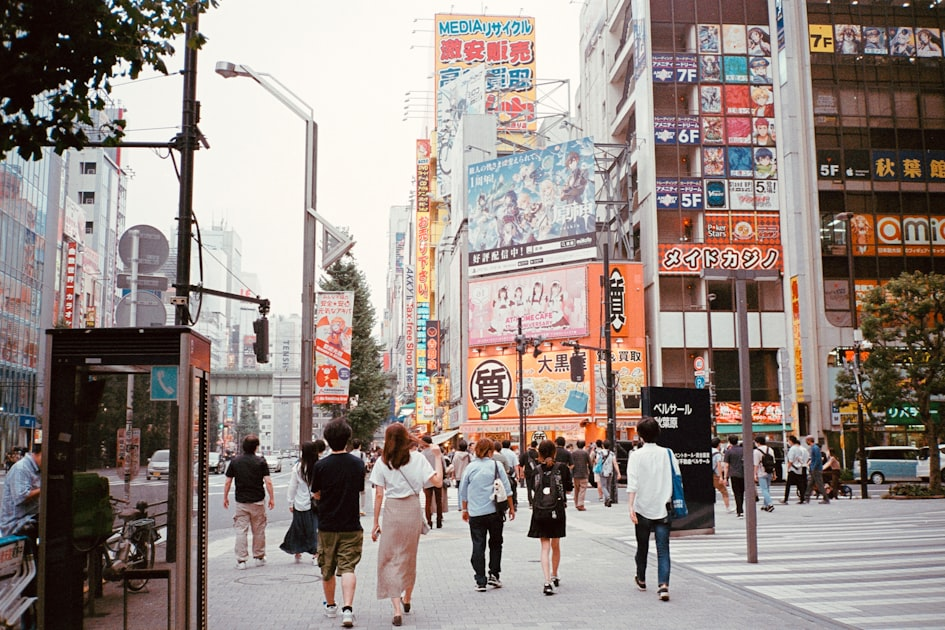
Understanding Japanese by learning a few essential phrases can greatly enhance your experience in Japan—whether you’re navigating cities, ordering food, or connecting with locals. While Japan is increasingly foreign-friendly, knowing some basics helps you feel more confident, shows cultural respect, and often leads to warmer interactions. Below are the core elements and expressions every beginner should know as they start their Japanese language journey.
Japanese Greetings and Polite Expressions

Greetings are at the heart of understanding Japanese communication. They set the tone for respectful interaction and are used more frequently—and more deliberately—than in many other cultures. Whether you’re meeting someone for the first time, entering a shop, or simply thanking someone, knowing the right phrases helps you navigate daily situations smoothly and politely. Here are the key expressions every visitor should master.
Daily Greetings
- Ohayou gozaimasu (おはようございます): Good morning (polite). Use Ohayou (おはよう) for casual situations.
- Konnichiwa (こんにちは): Hello/Good afternoon.
- Konbanwa (こんばんは): Good evening.
- Oyasumi nasai (おやすみなさい): Good night (when going to bed).
Essential Polite Expressions
- Arigatou gozaimasu (ありがとうございます): Thank you (polite). Use Arigatou (ありがとう) casually.
- Dou itashimashite (どういたしまして): You’re welcome (less common in casual talk; “No, no” is often used).
- Sumimasen (すみません): Excuse me / I’m sorry (versatile).
- Gomen nasai (ごめんなさい): Sorry (more direct apology).
- Onegaishimasu (お願いします): Please (when requesting something).
- Hai (はい): Yes.
- Iie (いいえ): No.
- Daijyoubu (大丈夫): It’s okay.
Meeting & Farewell
- Hajimemashite (はじめまして): Nice to meet you (first time meeting).
- Yoroshiku onegaishimasu (よろしくお願いします): Please treat me favorably / I look forward to working with you.
- Sayounara (さようなら): Goodbye (can sound final; other casual farewells exist like Ja ne (じゃね – See ya!)).
Other Useful Phrases
- Moshi moshi (もしもし): Hello (on the phone only).
- Ogenki desu ka? (お元気ですか?): How are you?.
- Ittekimasu (いってきます) & Itterasshai (いってらっしゃい): I’m leaving (often said when leaving home) & Have a good day (said by the person staying).
- Tadaima (ただいま) & Okaerinasai (おかえりなさい): I’m home (said when arriving home) & Welcome home (said by person staying).
- Ki wo tsukete kudasai (気をつけてください): Take care/ be careful. Use Ki wo tsukete (気をつけて) casually.
Note: All greetings are often accompanied by bowing—for respect.
Further reading: 10 Unwritten Social Rules in Japan Every Foreigner Should Know
Understanding Hiragana, Katakana, and Kanji
The Japanese writing system is built on three scripts—Hiragana, Katakana, and Kanji—each serving a different purpose. Hiragana forms the foundation of understanding Japanese grammar, Katakana is used mainly for foreign words, and Kanji conveys meaning through characters borrowed from Chinese. Learning how these three scripts work together is essential for reading signs, menus, and everyday text in Japan. Here’s a quick guide to what each script represents and how they fit into the language.
Hiragana (ひらがな) (native words, grammar):

- Function: Used for Japanese grammatical elements (particles, verb endings), native words, and to help read Kanji (as furigana).
- Example:
さくら(sakura – cherry blossom).
Katakana (カタカナ) (foreign words, emphasis):

- Function: Primarily for foreign loanwords (like “computer” or “McDonald’s”), onomatopoeia, and emphasis (like italics/bold).
- Example:
コーヒー(kōhī – coffee).
Kanji (漢字): (Chinese characters for core meanings)

- Function: Represents core meanings of nouns, verb stems, and adjectives.
- Key Feature: Can have multiple pronunciations (readings) depending on context (e.g.,
学can be gaku or manabu).
How They Work Together
A typical Japanese sentence mixes these scripts:
私は東京で寿司を食べます。
私 (watashi – I, Kanji) は (wa – topic marker, Hiragana) 東京 (Tōkyō – Tokyo, Kanji) で (de – location marker, Hiragana) 寿司 (sushi, Kanji) を (o – object marker, Hiragana) 食べ (tabe – eat stem, Kanji) ます (masu – polite ending, Hiragana).
Learning Path
- Master Hiragana: Learn all 46 basic characters and their sounds.
- Master Katakana: Learn the corresponding 46 Katakana characters.
- Introduce Kanji: Start with common Kanji, learning their meaning and basic readings (Onyomi/Kunyomi).
- Combine & Practice: Use them together in vocabulary and sentences, often with furigana (Hiragana above Kanji) to aid reading.
Common Japanese Phrases for Travelers

When visiting Japan, having a handful of practical phrases at your disposal can make daily interactions smoother and more enjoyable. From asking for directions to ordering meals or expressing gratitude, these simple expressions help you communicate politely and confidently, even with limited Japanese knowledge. Below are the must-know phrases that every traveler should learn before exploring Japan.
Navigating & Asking Questions
- Where is…?: … wa doko desu ka? (…はどこですか?)
- How much is this?: Kore wa ikura desu ka? (これはいくらですか?)
- I don’t understand: Wakarimasen (分かりません)
- Do you speak English?: Eigo hanasemasu ka? (英語話せますか?)
- Where is the restroom?: Otearai wa doko desu ka? (お手洗いはどこですか?)
- I’ll take this (item): Kore o kudasai (これをください)
Dining & Shopping
- Let’s eat/Thanks for the meal (before): Itadakimasu (いただきます)
- Thank you for the meal (after): Gochisousama deshita (ごちそうさまでした)
- Delicious!: Oishii! (おいしい!)
- The bill, please: Okaikei onegaishimasu (お会計お願いします)
Learning Tips
- Pronunciation: Focus on clear, simple sounds; Japanese is phonetic.
- Context is Key: Sumimasen is incredibly versatile for getting attention, apologizing, or even asking someone to move.
- Simple Words: Use gestures and simple words like Kore (this).
Note: Don’t stress. Focus on essential service interactions; you’ll be fine without fluency.
Further reading: Must Know Travel Tips for Foreigners in Japan

Learning the basics of the Japanese language—whether it’s everyday greetings, essential travel phrases, or understanding the three writing systems—can greatly enhance your experience in Japan. Even a small effort to communicate in Japanese often leads to warmer interactions, smoother travel, and a deeper appreciation of the culture. By familiarizing yourself with these fundamentals, you’ll feel more confident navigating daily situations and be better equipped to enjoy everything Japan has to offer.
Further reading: Sightseeing in Japan: Top Destinations