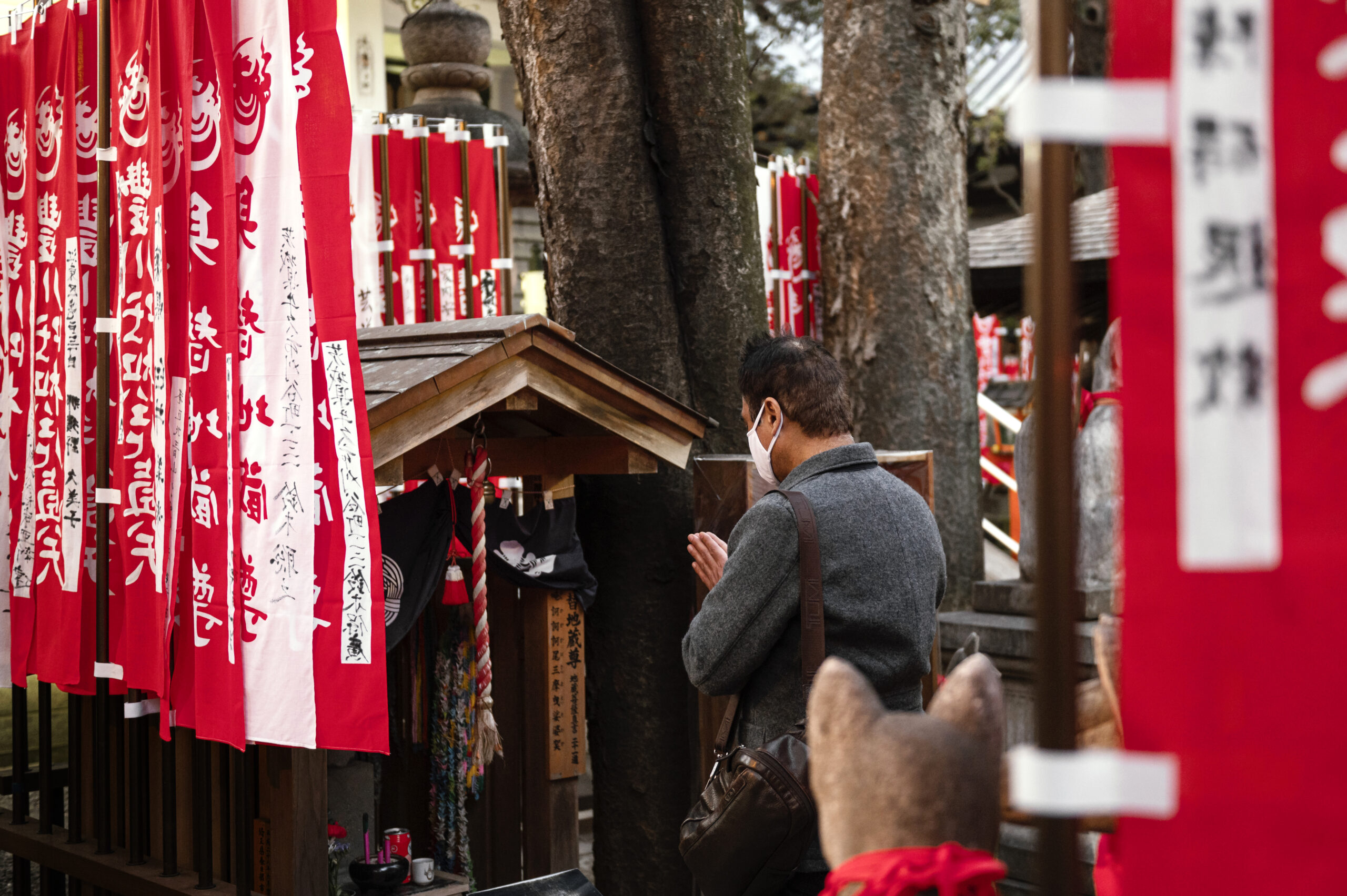
Traditions in Japan are shaped by centuries-old customs, yet they’re not confined to museums, temples, or special ceremonies. They live quietly in everyday moments—how people greet each other, how they move through shared spaces, how meals begin and end. For travelers, this means you’re often participating in Japanese traditions without even realizing it.
From removing your shoes at the door to instinctively lowering your voice on a train, these small actions reflect deeply rooted cultural values like respect, harmony, and awareness of others. You don’t need to study etiquette books or understand every rule to take part. Simply being in Japan naturally draws you into these customs, offering a subtle but meaningful glimpse into how tradition continues to shape modern life.
Further reading: 10 Unwritten Social Rules in Japan Every Foreigner Should Know
Removing Your Shoes

One of the first traditions visitors encounter in Japan is removing their shoes indoors. While it may seem like a simple cleanliness rule, it’s actually rooted in the Japanese concept of separating the outside world from the inside. Homes, ryokan, temples, and even some restaurants are considered clean, protected spaces.
You’ll notice a small step at the entrance (genkan) where shoes are left behind. Slippers often await, guiding you further into the space. This simple act signals respect for the environment and the people who share it—and most travelers follow the tradition instinctively, without explanation.
Bowing in Daily Life

You may not arrive in Japan knowing how or when to bow, but chances are you’ll find yourself doing it anyway. A slight nod to a shopkeeper, a small bow when saying thank you, or a polite dip of the head when passing someone in a narrow space—all of these gestures come naturally.
Bowing in Japan is a flexible, everyday expression of gratitude, apology, and acknowledgment. You don’t need to bow perfectly. The intention matters more than the angle, and visitors often pick it up simply by observing those around them.
Silence and Manners on Public Transportation

Public transportation in Japan is famously quiet. Phone calls are avoided, conversations are hushed, and people move efficiently without drawing attention to themselves. Without realizing it, travelers adjust their behavior—lowering their voices, silencing their phones, and standing neatly in line.
This tradition is tied to the idea of meiwaku, or avoiding causing trouble to others. It’s not enforced by rules alone, but by shared social awareness. By following the flow, visitors become part of this unspoken agreement.
Further reading: Sightseeing in Japan: Top Destinations
Seasonal Awareness in Everyday Life

Even if you don’t plan your trip around Japan’s seasonal calendar, you’ll experience it everywhere. Limited-edition snacks, seasonal menus, decorations, and festivals reflect a deep cultural appreciation for the changing seasons.
You might find yourself eating cherry blossom–flavored sweets in spring or warming up with hearty stews in winter—participating in a tradition known as shun, which values ingredients at their peak. Seasonal awareness is woven so seamlessly into daily life that travelers follow it without effort.
Gift-Giving

Japan has a strong gift-giving culture, and travelers often participate without realizing it. Buying souvenirs for friends and family back home mirrors the tradition of omiyage—bringing gifts from a trip to show thoughtfulness and gratitude.
Even the way items are beautifully wrapped reflects the cultural importance of presentation. While visitors may not know the formal rules, they naturally engage in the spirit of the tradition through simple acts of giving.
Further reading: Understanding Japanese Language Basics
Respect at Shrines and Temples

Visitors often approach shrines and temples quietly and respectfully, even without understanding the rituals involved. Watching others rinse their hands, bow slightly at the entrance, or pause before stepping forward encourages travelers to do the same.
You don’t need to follow a specific religion to participate. These actions are less about belief and more about respect—acknowledging the significance of the space and the traditions connected to it.
Service Etiquette and Omotenashi

Japanese hospitality, known as omotenashi, is another tradition travelers experience firsthand. Shop staff bow as you enter and leave, hotel employees anticipate your needs, and service is consistently polite and attentive.
Visitors quickly learn that tipping isn’t expected—and is often refused. Instead, hospitality is seen as a sincere expression of care, not a transaction. Without realizing it, travelers come to expect and appreciate this deeply ingrained cultural value.
Eating Etiquette You Learn by Observing

Meals in Japan come with their own set of traditions, but travelers rarely need a guidebook to follow them. Saying itadakimasu before eating and gochisousama afterward often becomes second nature after hearing others say it.
You may notice locals slurping noodles, sharing dishes, or waiting for everyone to be served before eating. By watching and adapting, visitors participate in dining customs that emphasize gratitude, enjoyment, and togetherness.
Experiencing Tradition Without Trying

What makes Japan unique isn’t just the preservation of tradition—it’s how seamlessly tradition exists within modern life. Visitors don’t have to seek it out or perform it perfectly. By simply being present, observing, and adapting, travelers naturally become part of centuries-old customs.
These quiet traditions in Japan are often the moments people remember most—not because they were planned, but because they felt genuine. In Japan, tradition isn’t something you visit. It’s something you experience, often without even realizing it.
Further reading: Japan Travel Trends for 2026