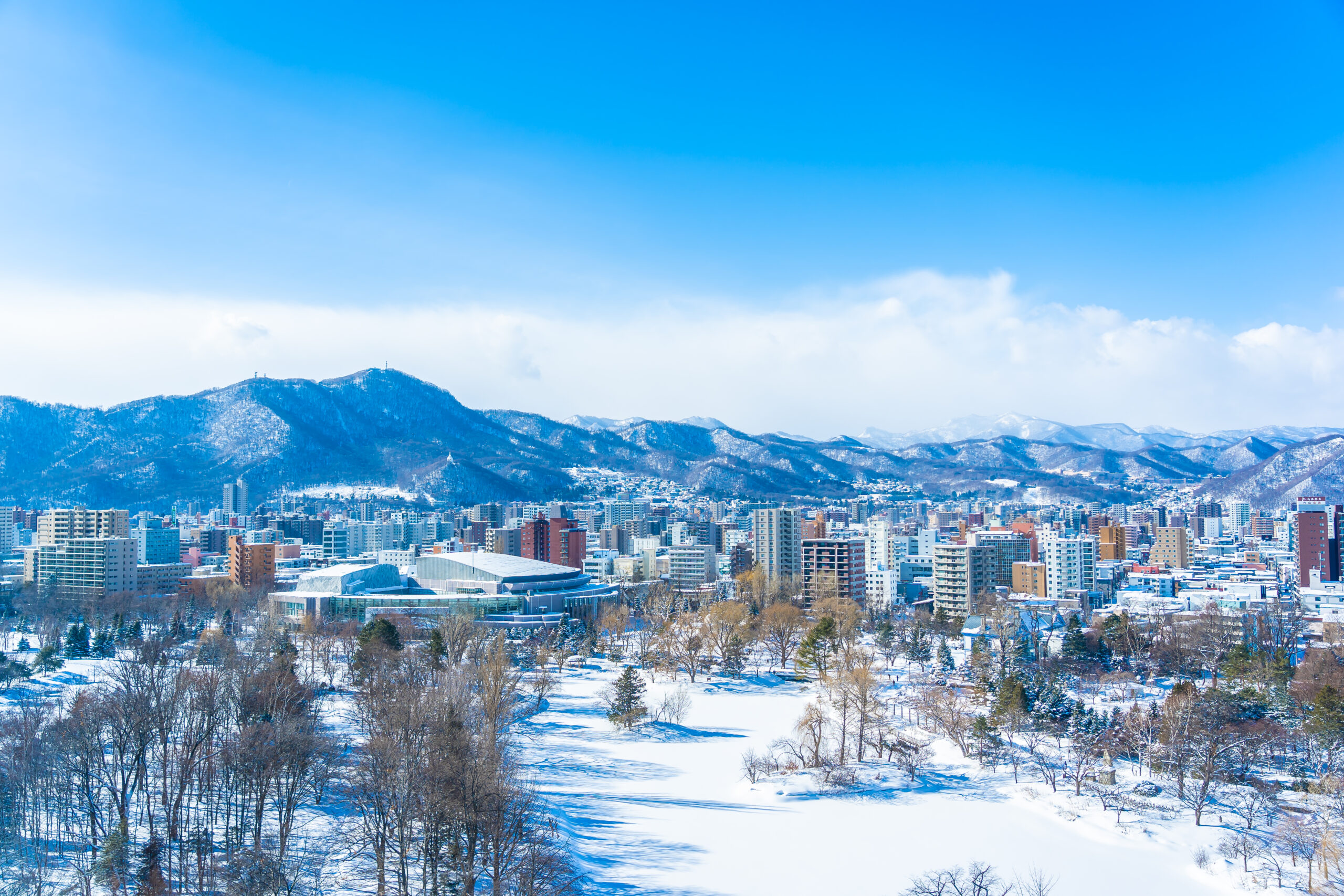
For many first-time visitors, Japan travel plans begin and end with Tokyo and Kyoto. These cities are iconic for good reason—but they can also be crowded, fast-paced, and sometimes overwhelming. The truth is, Japan’s most underrated cities play just as much part in the country’s character.
Across the country are cities that offer just as much history, culture, and flavor—often with fewer crowds, more breathing room, and deeper connections to local life. If you want to experience Japan beyond the well-worn path, these four underrated cities are excellent alternatives: Kanazawa, Matsuyama, Kagoshima, and Sendai.
Each delivers something familiar yet refreshingly different, making them ideal for first-time visitors who want authenticity without sacrificing convenience.
Kanazawa—Tradition Without the Crowds

Often called “Little Kyoto,” Kanazawa offers many of the same cultural experiences as Japan’s former capital—without the packed streets and long lines.
This historic castle town on the Sea of Japan coast survived wartime destruction, preserving entire districts from the Edo period. Walking through Kanazawa feels like stepping into a carefully maintained slice of old Japan, where samurai history, traditional crafts, and seasonal beauty are part of everyday life.
What to See
- Kenrokuen Garden, considered one of Japan’s three most beautiful landscape gardens
- Nagamachi Samurai District, with narrow lanes and earthen walls
- Higashi Chaya District, home to preserved teahouses and geisha culture
- 21st Century Museum of Contemporary Art, a striking modern contrast
- Omicho Market, the city’s kitchen, is famous for fresh seafood
What to Eat
Kanazawa is a paradise for food lovers. Local Kaga cuisine, seafood rice bowls, and regional sake reflect the city’s coastal location and refined culinary traditions.
Best For
Travelers who love traditional Japan, gardens, and cultural depth—but prefer a calmer, more walkable city than Kyoto.
Matsuyama—Castle Views and Onsen Culture

Located on Shikoku Island, Matsuyama feels slower and more intimate than major Honshu cities. It’s a place where daily life and history coexist effortlessly.
The city is best known for Matsuyama Castle, one of Japan’s few remaining original castles, dramatically perched on a hill above the city. From the top, you can see the Seto Inland Sea and the surrounding neighborhoods—a reminder of how closely history and modern life are intertwined here.
What to See
- Matsuyama Castle, accessible by ropeway or foot
- Traditional shopping arcades and local cafés
- Dogo Onsen, one of Japan’s oldest and most iconic hot springs
What to Eat
Local specialties include tai meshi (sea bream rice), fresh seafood, and citrus fruits grown throughout Ehime Prefecture.
Best For
History lovers, onsen fans, and travelers who enjoy compact cities with a strong local identity.
Kagoshima—Volcano Energy and Southern Spirit

If Tokyo represents modern Japan and Kyoto represents classical Japan, Kagoshima represents something else entirely: the country’s fiery, southern edge.
Facing the constantly active Sakurajima volcano, Kagoshima is dramatic, energetic, and proud of its unique regional culture. Volcanic ash is a fact of life here, and instead of hiding it, locals embrace it as part of the city’s character.
What to See
- Sakurajima, with ferry access, walking paths, and volcanic viewpoints
- Sengan-en Garden, blending landscape design with industrial history
- Waterfront promenades with views of the volcano across the bay
What to Eat
Kagoshima is famous for Kurobuta pork, rich regional dishes, and a deep tradition of shochu, Japan’s distilled spirit.
Best For
Nature lovers, photographers, adventurous eaters, and travelers curious about Japan’s regional diversity.
Sendai—Gateway to Tohoku

As the largest city in northeastern Japan, Sendai balances urban convenience with easy access to nature and history. Known as the “City of Trees,” it feels more relaxed than Tokyo while still offering excellent transport, shopping, and dining.
Sendai is deeply tied to samurai history, particularly the legacy of Date Masamune, one of Japan’s most famous feudal lords. It also serves as a perfect base for exploring the wider Tohoku region.
What to See
- Historic sites linked to Date Masamune
- Seasonal festivals and lively downtown streets
- Easy day trips to coastal scenery and countryside areas
What to Eat
Sendai’s signature dish is gyutan (grilled beef tongue), along with fresh seafood and sake from across Tohoku.
Best For
Travelers who want a comfortable city base with cultural depth and access to lesser-visited regions.
How to Fit These Underrated Cities Into Your Trip

You don’t need to visit all four to enjoy a richer Japan experience. Even adding just one of Japan’s most underrated cities can change the rhythm of your journey.
- Short trip: Kanazawa or Sendai with Tokyo
- Longer trip: Combine one northern city (Sendai) with one southern city (Kagoshima)
- Cultural focus: Kanazawa + Matsuyama or history and tradition
Japan’s transport system makes these cities easy to reach by shinkansen, local trains, or short flights.

Tokyo and Kyoto will always be worth visiting, but they don’t tell the whole story of Japan. Japan’s most underrated cities, like Kanazawa, Matsuyama, Kagoshima, and Sendai, reveal a quieter, more regional side of the country, where traditions feel lived-in and everyday life is part of the experience.
For first-time visitors who want authenticity without overwhelm, these underrated cities may end up being the most memorable part of the journey.
Further reading: Untranslatable Japanese Words—And What They Reveal About Japan