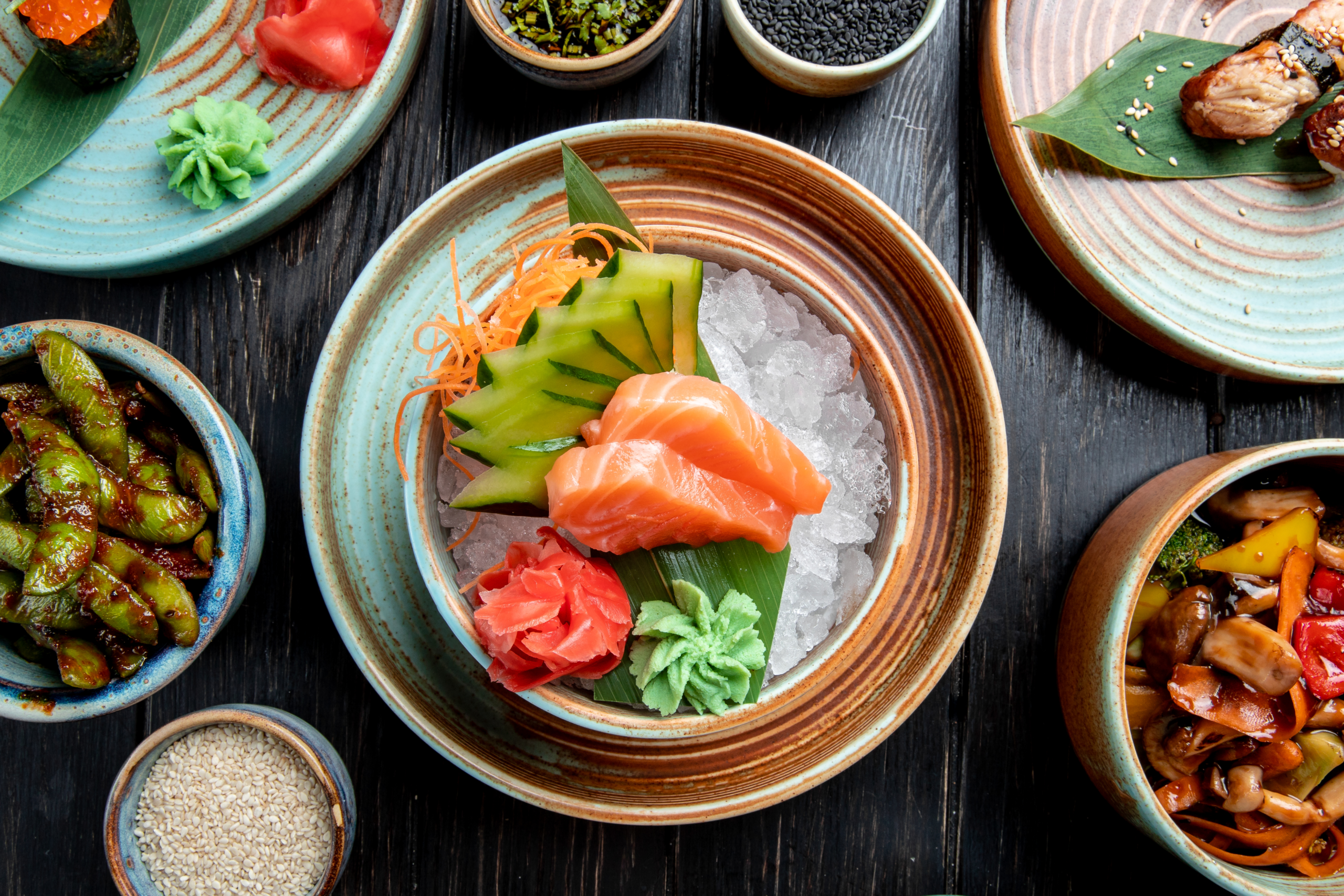
Japanese food is famously known as sushi, ramen, and tempura—but venture off the beaten path, and you’ll discover incredible regional specialties that most travelers miss. Here are four unique dishes you should consider adding to your itinerary.
Further reading: Japan’s Most Underrated Cities for First-Time Visitors
Hida Beef—Takayama & Gifu’s Wagyu Treasure

What it is: Hida beef (Hida-gyu) is one of Japan’s top wagyu brands, prized for its intense marbling, rich flavor, and melt-in-your-mouth texture. Slices of this beef are commonly enjoyed as shabu-shabu, sukiyaki, steak, or even street-food buns and croquettes in Takayama.
Why it’s special: Raised high in the Japanese Alps, Hida cattle benefit from pristine water, crisp air, and careful feeding — qualities that show in every bite.
Recommended Hida Beef Spots
- Hida Takayama Gyu Shōten – Known for premium Hida beef grilled and served simply to showcase the meat.
- Yakiniku Senrin (Takayama) – Great choice for yakiniku (Japanese BBQ) with local beef.
- Old Town Stalls (Takayama) – Try Hida gyu-man (steamed buns) or beef croquettes while exploring the historic streets.
Casual & Street Food
- Hida Kotte Ushi – Hida beef nigiri sushi — perfect snack while strolling the Sanmachi old streets.
- Hidagyu no komori – Kushiyaki (skewers) of tender Hida beef.
- Hida Beef Baya – Try grilled Hida beef bites and simple sushi-style pieces.
- Kyōya – Local restaurant also known for hoba miso with Hida beef.
- Butchers, Aji-no-Yohei, Matsuki‑Ushi, Wagyu Shogun – Other local spots worth checking.
Pro tip: Walk Takayama’s old town (Sanmachi) early—you’ll find beef snacks and grilled skewers alongside classic sit-down restaurants.
Kiritanpo—Heartwarming Akita Comfort Food

What it is: A traditional dish from Akita Prefecture made by pounding cooked rice, wrapping it around cedar skewers, and grilling until lightly charred. It’s typically served with sweet miso or simmered with chicken and root vegetables in a hotpot (kiritanpo nabe).
Why it’s special: Simple but satisfying, kiritanpo reflects the hearty, rustic cuisine of northern Japan — perfect for chilly weather and colder months.
Where to Try Kiritanpo
- Akita Kiritanpo Restaurant – Classic spot around Akita Station serving this local specialty.
- Ryotei Hamanoya (Traditional historic restaurant) – In Omachi, Akita City, known for traditional kiritanpo (recommend searching or including as a feature).
- Ganso Murasaki (Odate) – Specialty shop in the birthplace of kiritanpo.
- Akita Hinaiya (Odate) – Excellent hot pot style with Hinai-jidori chicken and kiritanpo.
- Kappo Misawa (Odate) – Restaurant serving refined kiritanpo nabe with local ingredients.
Other Local Izakayas (around Akita Station)
- Tsukumo
- Toppin Parari no Pu
- Akita Banya Sakaba
- Akita Nagaya Sakaba
Eat it in autumn/winter when broths and hot pots are most comforting.
Houtou—Yamanashi’s Hearty Noodle Hotpot

What it is: A warming noodle stew from Yamanashi Prefecture with flat, thick noodles simmered in a rich miso broth alongside seasonal vegetables like kabocha (Japanese pumpkin).
Why it’s special: More than just udon — locals see houtou as a unique regional comfort food with chewy noodles and umami-packed broth steeped in centuries of local tradition.
Houtou Restaurants
- Hōtō Fudō (Kawaguchiko) – One of the most iconic hōtō specialties in the Mount Fuji area.
- Hōtō Kura Funari (Fujikawaguchiko) – Beloved for its hearty servings and scenic lake views.
- Kosaku Kawaguchiko (houtou) – Authentic regional noodle restaurant with great portion sizes.
Local restaurants around Lake Yamanakako & Kōfu – Many family-run eateries serve houtou year-round.
Plan this for a lunch after hiking or a lakeside walk—houtou is filling and traditional Yamanashi comfort food.
Champon—Nagasaki’s Mixed Noodle Bowl

What it is: A standout of Nagasaki cuisine, champon is a noodle soup blending pork, seafood, and vegetables in a flavorful broth — conceived in the late 19th century by Chinese immigrants in Nagasaki’s Chinatown.
Why it’s special: Dense with ingredients and rich in history, champon is comfort food that reflects Nagasaki’s multicultural heritage.
Champon & Nagasaki Noodle Spots
- Shikairō (Nagasaki Chinatown) – The restaurant credited with creating the original champon.
- Horaiken Bekkan (near Peace Park) – Highly recommended by diners for classic champon close to major sights.
- Nagasaki Champon Koran – A popular local spot serving hearty bowls right by the station.
- Champon358 – Highly rated casual champon noodle shop.
- Chanpon Soshurin – Local spot for hearty broth and noodles.
- Kozanro Chukagaishinkan – Popular mid-priced local choice.
Tip: You’ll also find champon throughout Nagasaki—in cozy locals’ eateries and even in versions at major chains like Ringer Hut (which specializes in champon and Sara udon).
Japanese Food: Seek Local, Eat Local

These four dishes offer a delicious glimpse into Japanese food beyond Tokyo and Kyoto—each tied deeply to its home region’s culture, history, and ingredients. From mountain-raised wagyu to simple rice-on-a-stick and noodle classics born of cross-cultural exchange, these specialties reward food lovers willing to explore Japan’s culinary corners.
Further reading: Japan Travel Trends for 2026