On the vernal equinox, day and night are nearly equal in length—a rare moment when light and darkness stand evenly matched. In many countries, this astronomical event passes quietly. In Japan, however, it becomes something more: a national holiday rooted in reflection, family connection, and reverence for nature.
Known as Shunbun no Hi (春分の日), or Vernal Equinox Day, this spring observance blends Buddhist philosophy, seasonal awareness, and modern life. It is not loud or commercial. It does not center on spectacle. Instead, it invites balance — between past and present, between life and death, between winter and spring.
To understand Shunbun no Hi is to understand something essential about Japanese culture itself.
Further reading: Japan’s Most Underrated Cities for First-Time Visitors
What is Shunbun no Hi?

Shunbun no Hi is a Japanese public holiday observed around March 20 or 21, depending on the year. The date shifts slightly based on astronomical calculations, since it is tied directly to the moment the sun crosses the celestial equator.
Under Japan’s Public Holiday Law (established in 1948), the official purpose of Shunbun no Hi is:
“To admire nature and show love for living things.”
It sounds simple—almost poetic in its wording. And yet, this understated definition of the vernal equinox reflects the core of the holiday. Unlike festivals built around parades or fireworks, Shunbun no Hi encourages quiet appreciation. It is about observing seasonal change and recognizing continuity.
But beneath this modern legal definition lies something older and deeper.
The Buddhist Roots: Higan and the “Other Shore”
Shunbun no Hi coincides with a Buddhist observance known as Higan (彼岸).
Higan spans seven days: three days before the vernal equinox, the equinox day itself, and three days after. Both the spring and autumn equinoxes have their own Higan period, but the spring version carries particular resonance because it signals renewal.
The word higan literally means “the other shore.” In Buddhist thought, this represents enlightenment—crossing from the shore of worldly suffering (this shore) to spiritual awakening (the other shore).
Why is the vernal equinox connected to this idea?
Because balance matters. When day and night are equal, the natural world symbolizes harmony. In this moment of equilibrium, it is believed that the boundary between the physical and spiritual realms feels closer, making it an appropriate time to honor ancestors and reflect on impermanence.
During Higan, many Japanese families visit the graves of their relatives in a practice known as ohakamairi (お墓参り). They clean the gravestones, offer flowers, burn incense, and sometimes leave favorite foods of the deceased.
This is not typically a somber occasion. Rather, it is calm and respectful—often followed by shared meals or quiet family gatherings. The act of tending to graves reinforces continuity between generations, reminding the living that they stand in a long line of memory.
In a society that deeply values ancestry and family lineage, this practice remains meaningful even in modern urban life.
Botamochi: A Sweet with Symbolism

No Japanese holiday feels complete without seasonal food, and Shunbun no Hi is no exception.
The traditional sweet associated with the spring equinox is botamochi (ぼたもち)—a rice cake made from glutinous rice and coated with sweet red azuki bean paste.
At first glance, it may seem like an ordinary confection. But even this dessert carries layers of meaning.
The name botamochi comes from botan, meaning peony—a flower that blooms in spring. Interestingly, the same sweet is eaten during the autumn equinox, but under a different name: ohagi, referencing the autumn flower hagi (bush clover). The food remains essentially the same, but its name shifts with the season—a small but telling example of Japan’s sensitivity to seasonal nuance.
Azuki beans themselves are traditionally believed to ward off evil spirits due to their reddish color. Offering botamochi during Higan is therefore both symbolic and protective.
Today, families may prepare botamochi at home or purchase beautifully packaged versions from supermarkets and confectionery shops. Its appearance in stores signals the quiet arrival of spring.
Nature, Renewal, and the Edge of Sakura Season

Shunbun no Hi arrives at a transitional moment. Winter has not entirely loosened its grip, yet the air feels different. In some regions, plum blossoms have already bloomed. In southern areas of Japan, the first cherry blossoms may begin to appear.
This overlap is significant.
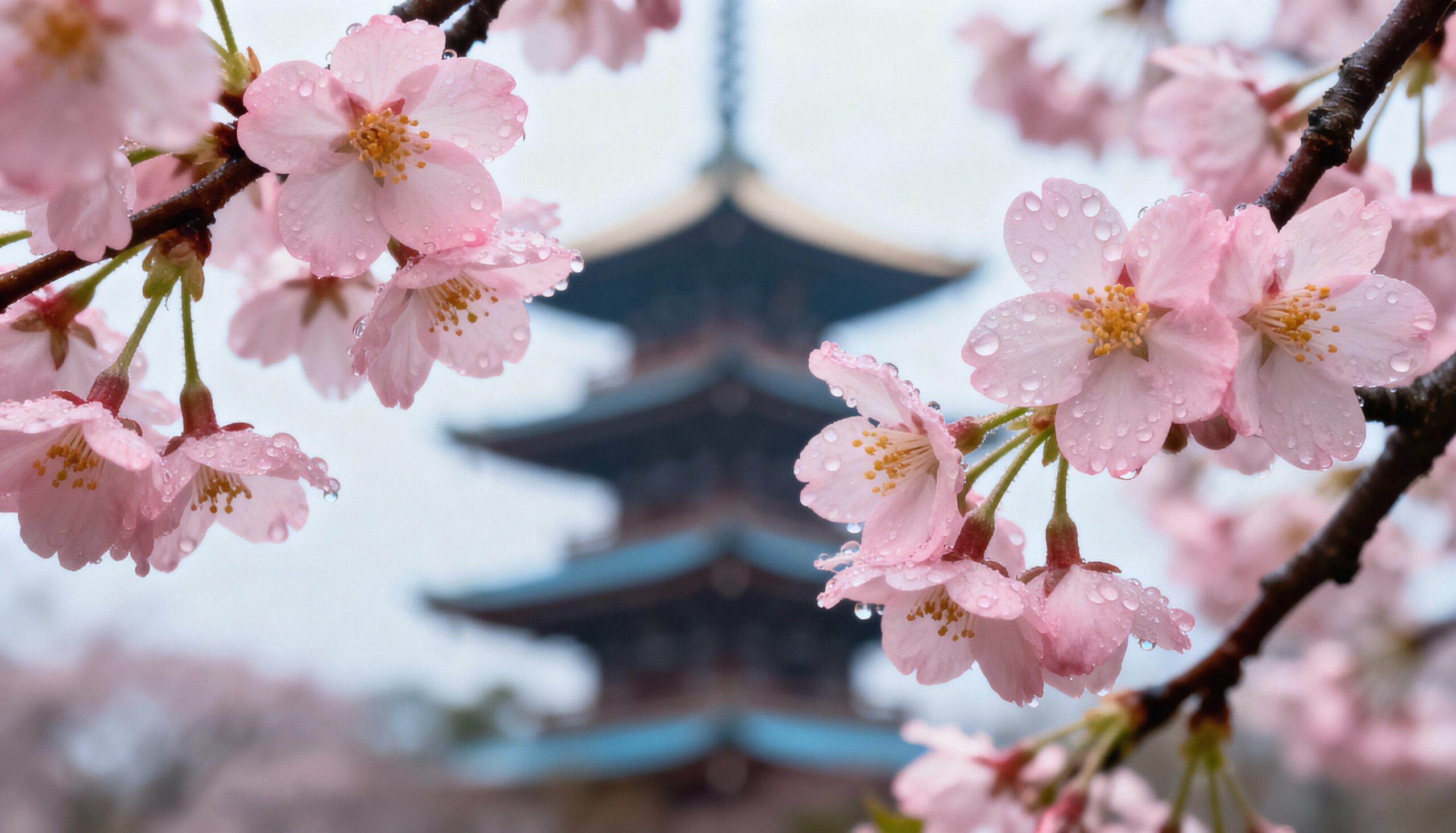
The equinox stands on the threshold of sakura season, arguably Japan’s most iconic seasonal event. While Shunbun no Hi itself is not a cherry blossom festival, it shares the same emotional undercurrent: awareness of change.
The concept of mono no aware (an appreciation of the transient beauty of things) feels especially present during this time. Light increases. Days lengthen. School graduation ceremonies are underway. The fiscal year is ending. Soon, new beginnings will follow.
The vernal equinox becomes more than an astronomical marker. It becomes psychological. A pause before movement.
How Modern Japan Observes the Vernal Equinox
Contemporary observance of Shunbun no Hi varies by household and region.
For some, it remains firmly tied to Buddhist practice and grave visits. For others, particularly younger generations in urban centers, it functions primarily as a welcome day off work.
Because it often falls near a weekend, Shunbun no Hi can create a long weekend, an opportunity for travel, relaxation, or time spent outdoors. Parks may be slightly busier. Cafés might introduce limited-edition spring desserts. Department stores subtly transition displays from winter to spring fashion.
Yet even when the spiritual elements fade into the background, the cultural tone of the day remains gentle and reflective. It is not commercialized on the scale of Valentine’s Day or Christmas. There are no major sales campaigns built around it. Its presence is softer.
And perhaps that softness is precisely its point.
A Holiday About Balance

If one word defines Shunbun no Hi, it is balance.
Balance between light and dark.
Between life and death.
Between remembrance and renewal.
Between tradition and modernity.
Japan is often described as a country where ancient customs coexist with cutting-edge technology. Shunbun no Hi exemplifies this coexistence. Office workers in Tokyo skyscrapers may still visit ancestral graves. Families who live in high-rise apartments may still set aside time to reflect on relatives who came before them.
The holiday quietly reinforces the idea that progress does not erase memory.
How Vernal Equinox Day Differs from Western Spring Celebrations

For international readers, it may be tempting to compare Shunbun no Hi with Easter or other spring festivals.
While both involve themes of renewal, the tone differs significantly.
Christian doctrine strongly shaped Easter in many Western countries and often includes commercial elements such as candy, decorations, and public festivities. Shunbun no Hi, by contrast, is less about celebration and more about contemplation.
There are no elaborate decorations. No large public ceremonies. No central religious service.
Instead, the focus turns inward—toward family, ancestors, and the natural world. The equinox itself is the centerpiece, not a narrative built around it.
This subtlety reflects broader cultural patterns in Japan, where seasonal transitions often carry emotional weight without dramatic fanfare.
What Visitors Should Know About Vernal Equinox Day

If you are in Japan during Shunbun no Hi, here are a few practical observations:
- It is a national holiday, so government offices and some businesses may be closed.
- Cemeteries may see increased visitors, especially during the Higan period.
- Supermarkets and sweet shops will likely feature seasonal botamochi.
- Parks and outdoor spaces may feel slightly livelier as people welcome spring weather.
Above all, it is a respectful time. Observing quietly, whether by walking through a blooming park or noticing families tending graves, offers insight into how Japanese culture weaves memory into daily life.
Why Shunbun no Hi Still Matters

In a fast-paced, hyperconnected world, a holiday dedicated simply to admiring nature and remembering loved ones feels almost radical.
Shunbun no Hi does not demand productivity. It does not insist on spectacle. It encourages stillness.
In Japan’s dense cities and structured work culture, this pause carries significance. It affirms that balance is not accidental; it must be acknowledged.
The equal division of day and night lasts only a moment. Soon, light will begin to dominate as spring advances. But that fleeting equilibrium serves as a reminder that opposites can coexist.
In this way, Shunbun no Hi becomes more than a date on the calendar. It is an annual meditation on harmony.
Standing Between Winter and Spring
Imagine standing outside on the morning of the equinox. The air holds a hint of warmth, but winter has not entirely disappeared. The sun rises steadily, neither rushed nor delayed. Somewhere nearby, someone places fresh flowers on a gravestone. In a shop window, pink sweets appear for the first time that year.
Nothing dramatic happens.
And yet, everything shifts.
That is the essence of Shunbun no Hi, a day balanced between worlds, honoring what has been while quietly welcoming what is to come.
In Japan, even the turning of the earth becomes an opportunity to remember, reflect, and begin again.
Further reading: The Most Beautiful Train Rides in Japan That Tourists Rarely Plan For