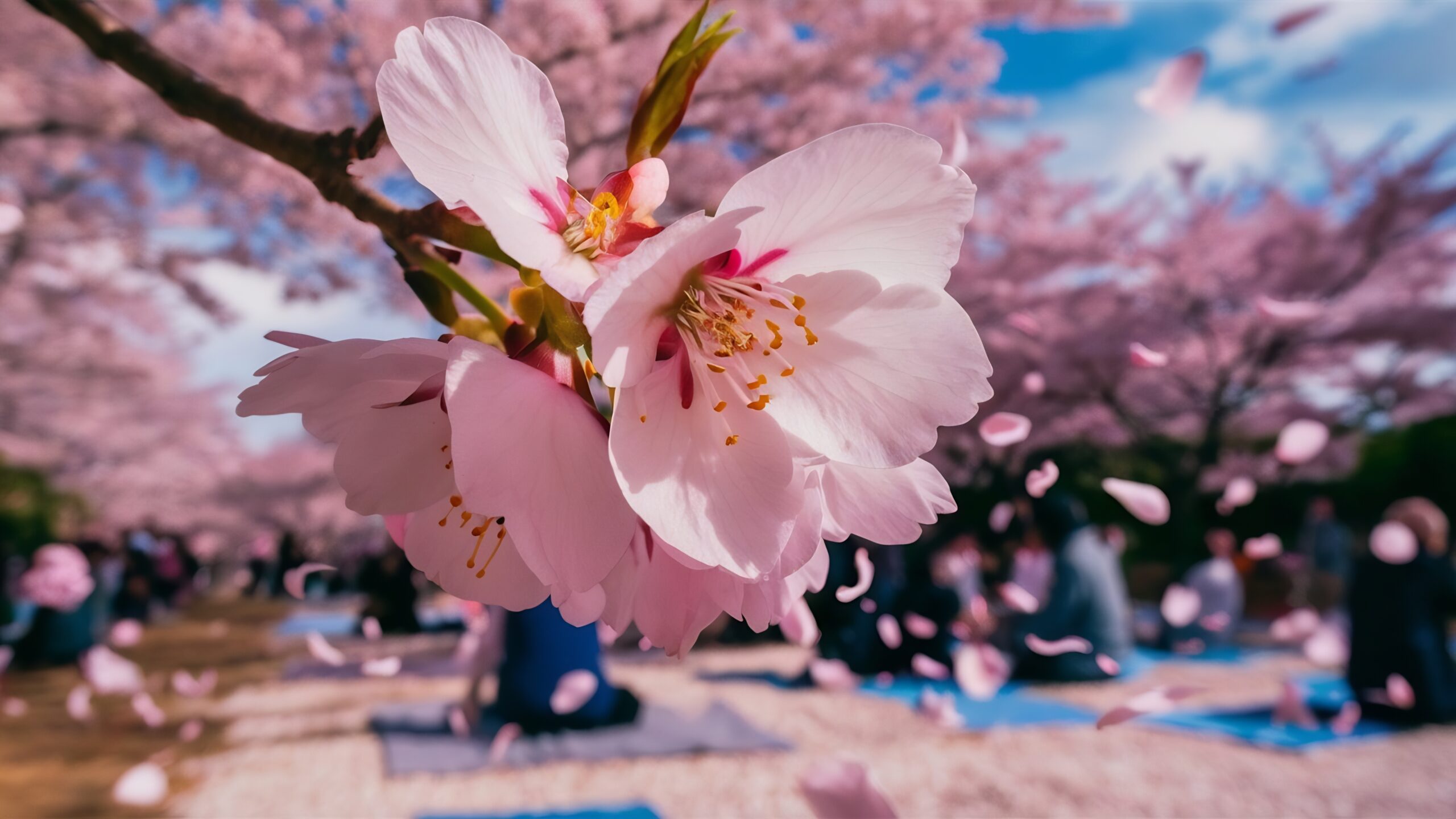
Every spring in Japan, something magical happens. Parks transform into soft pink wonderlands, convenience stores fill with sakura-themed treats, and friends, families, and coworkers gather beneath blooming cherry trees for hanami—flower viewing with a hanami bento.
While the blossoms may be the star of the show, the food is a very close second.
And nothing says hanami quite like a beautifully packed hanami bento box.
Portable, colorful, and thoughtfully arranged, hanami bento captures the spirit of spring in edible form. Whether you’re planning a picnic in Tokyo’s Ueno Park, along Kyoto’s Philosopher’s Path, or simply recreating the experience at home, these fresh and pretty ideas will help you build a box that feels festive, seasonal, and stress-free.
Further reading: Regional Japanese Food You’ve Probably Never Tried
Why Hanami and Bento Just Belong Together

Hanami dates back centuries, originally celebrated by aristocrats composing poetry beneath the blossoms. Today, it’s a joyful, often casual gathering where people spread picnic sheets under sakura trees, share food, and welcome the changing season.
Bento is the perfect companion for this tradition for several reasons:
- It’s portable and easy to transport.
- It’s designed to be eaten at room temperature.
- It’s visually beautiful—important in a season that celebrates aesthetics.
- It encourages sharing.
A hanami bento doesn’t need to be complicated. In fact, it shouldn’t be. The goal is to create something that looks cheerful, tastes fresh, and can survive a few hours outdoors.
What Makes a Perfect Hanami Bento?
Before diving into recipes, it helps to understand what defines a great cherry blossom picnic box.
The Golden Rules
1. Easy to eat
Finger foods or bite-sized pieces are ideal. Avoid anything that requires complicated cutting or reheating.
2. Room-temperature friendly
Hanami food is rarely eaten hot. Choose dishes that hold up well at room temperature for a few hours.
3. Colorful and seasonal
Spring in Japan is a visual celebration. Your bento should reflect that with pinks, greens, yellows, and whites.
4. Low-mess
You’ll be sitting outdoors, possibly on a slightly uneven surface. Clean, compact foods win.
Building a Spring Color Palette

One of the secrets to a beautiful hanami bento is thinking in colors.
- Pink: Sakura rice, shrimp, pickled radish, strawberries
- Green: Nanohana (rapeseed blossoms), snap peas, edamame
- Yellow: Tamagoyaki (rolled omelet)
- White: Onigiri, tofu, daikon
- Orange: Carrots cut into sakura shapes
Even simple ingredients can look festive when arranged thoughtfully.
Classic Hanami Bento Staples (With a Spring Twist)
These are the tried-and-true favorites, slightly refreshed for the season.
Sakura Onigiri

Rice balls are the backbone of many bento. For hanami, you can give them a spring touch by:
- Mixing in salted sakura petals (available seasonally).
- Wrapping them in a preserved sakura leaf.
- Filling with umeboshi (plum) for a subtle pink accent.
- Using flaked salmon for color contrast.
Shape them into neat triangles or soft rounds, and keep them compact so they travel well.
Tamagoyaki with Spring Herbs

Tamagoyaki—Japan’s slightly sweet rolled omelet—is a bento classic. For spring:
- Add finely chopped mitsuba or scallions.
- Slice into bright, even rectangles.
- Arrange them in a neat row for visual balance.
Its yellow hue instantly brightens your box.
Karaage (Or Tofu Karaage)

Crispy Japanese fried chicken is always a crowd favorite at hanami gatherings. Since it tastes great even after cooling, it’s picnic-perfect.
For a vegetarian alternative:
- Marinate firm tofu cubes in soy sauce, ginger, and garlic.
- Coat lightly in potato starch.
- Fry or air-fry until crisp.
Both versions bring satisfying texture to balance softer foods.
Simmered Spring Vegetables (Nimono)

Spring is bamboo shoot season in Japan, and tender takenoko is a wonderful addition to a hanami bento.
Simmer together:
- Bamboo shoots
- Carrots (cut into sakura shapes with a small cutter)
- Snap peas for freshness
The result is light, seasonal, and visually appealing.
Vegetarian Hanami Bento Ideas
A hanami bento doesn’t need meat to feel complete. In fact, spring vegetables often shine brightest.
Nanohana with Sesame Dressing

Nanohana (rapeseed blossoms) are slightly bitter and beautifully green—true spring ingredients.
Blanch briefly, then toss in:
- Toasted sesame paste
- A touch of soy sauce
- A sprinkle of sugar
The flavor is fresh and sophisticated without being heavy.
Inari Sushi

Inari sushi—sweet tofu pockets stuffed with rice—is ideal for picnics.
To make them more festive:
- Mix rice with finely diced carrots or sesame seeds.
- Top with a small piece of snap pea or pickled radish.
- Arrange snugly to prevent shifting.
They’re portable, vegetarian-friendly, and easy to eat with your hands.
Strawberry Daifuku

Spring means strawberry season in Japan. Strawberry daifuku—fresh strawberries wrapped in sweet red bean paste and soft mochi—is a beautiful seasonal dessert.
If making from scratch feels ambitious, high-quality store-bought versions work perfectly for hanami.
They add both pink color and a sweet finish to your box.
Kid-Friendly Hanami Bento Additions
Hanami often includes families and mixed-age groups, so having a few playful options makes your bento universally appealing.
Mini Sandwich Squares

Crustless sandwiches cut into bite-sized squares are easy and familiar.
Try:
- Egg salad
- Ham and cheese
- Fruit and whipped cream
Wrap tightly to maintain freshness.
Sausage “Octopus”

A classic Japanese bento decoration: small sausages sliced at one end and pan-fried so the ends curl like tentacles.
They’re whimsical, nostalgic, and guaranteed to make kids smile.
Hanami Dango

These iconic pink, white, and green skewered dumplings are synonymous with cherry blossom season.
The colors traditionally represent:
- Pink: Blossoms
- White: Remaining snow
- Green: New growth
They’re symbolic, portable, and undeniably festive.
How to Pack a Beautiful Hanami Bento
Assembly matters almost as much as the ingredients.
Start with the Base
Place rice or larger items first to anchor the box. Then layer in proteins and vegetables.
Use Dividers
Silicone cups, lettuce leaves, or parchment help separate flavors and prevent mixing.
Fill the Gaps
Empty spaces cause food to shift. Add cherry tomatoes, strawberries, or small vegetable pieces to stabilize the arrangement.
Make Your Hanami Bento Instagram-Worthy (Without Stress)

Spring invites beauty, but perfection isn’t necessary.
A few easy upgrades:
- Use a sakura-shaped vegetable cutter.
- Add a small edible flower garnish.
- Choose a bento box in soft pastel tones.
Still, remember: hanami is about the experience, not the aesthetics alone.
What to Bring Beyond the Food

A successful hanami picnic goes beyond what’s inside the bento box.
- Picnic sheet (the classic blue tarp is practical, but patterned blankets feel charming)
- Wet wipes
- Trash bags (leave the park as beautiful as you found it)
- Thermos of green tea
- Optional: light spring sake for adults
Comfort and cleanliness make the experience more enjoyable.
Easy Hanami Bento Menu Examples
If you prefer a ready-made plan, here are two simple combinations.
Simple 2-Person Bento
- Sakura onigiri
- Karaage (or tofu bites)
- Tamagoyaki
- Simmered spring vegetables
- Fresh strawberries
Balanced, colorful, and easy to prepare in under two hours.
Family Hanami Bento
- Inari sushi
- Mini sandwich squares
- Sausage octopus
- Nanohana with sesame dressing
- Hanami dango
- Fruit skewers
This combination offers variety and appeals to all ages.
A Taste of Spring Under the Blossoms
Cherry blossom season is fleeting. The petals bloom brilliantly, then drift away within days. Hanami reminds us to pause, gather, and savor the present moment.
Your bento doesn’t need to be elaborate or perfectly arranged. Even a few store-bought items combined with one or two homemade dishes can feel special.
What matters most is sitting beneath the blossoms, sharing food, laughing with friends, and welcoming the new season.
So pack your box, grab a picnic sheet, and step into spring.
Because under the sakura trees, even the simplest meal feels magical.
Further reading: What Happens on Shunbun no Hi? Japan’s Spring Equinox Explained