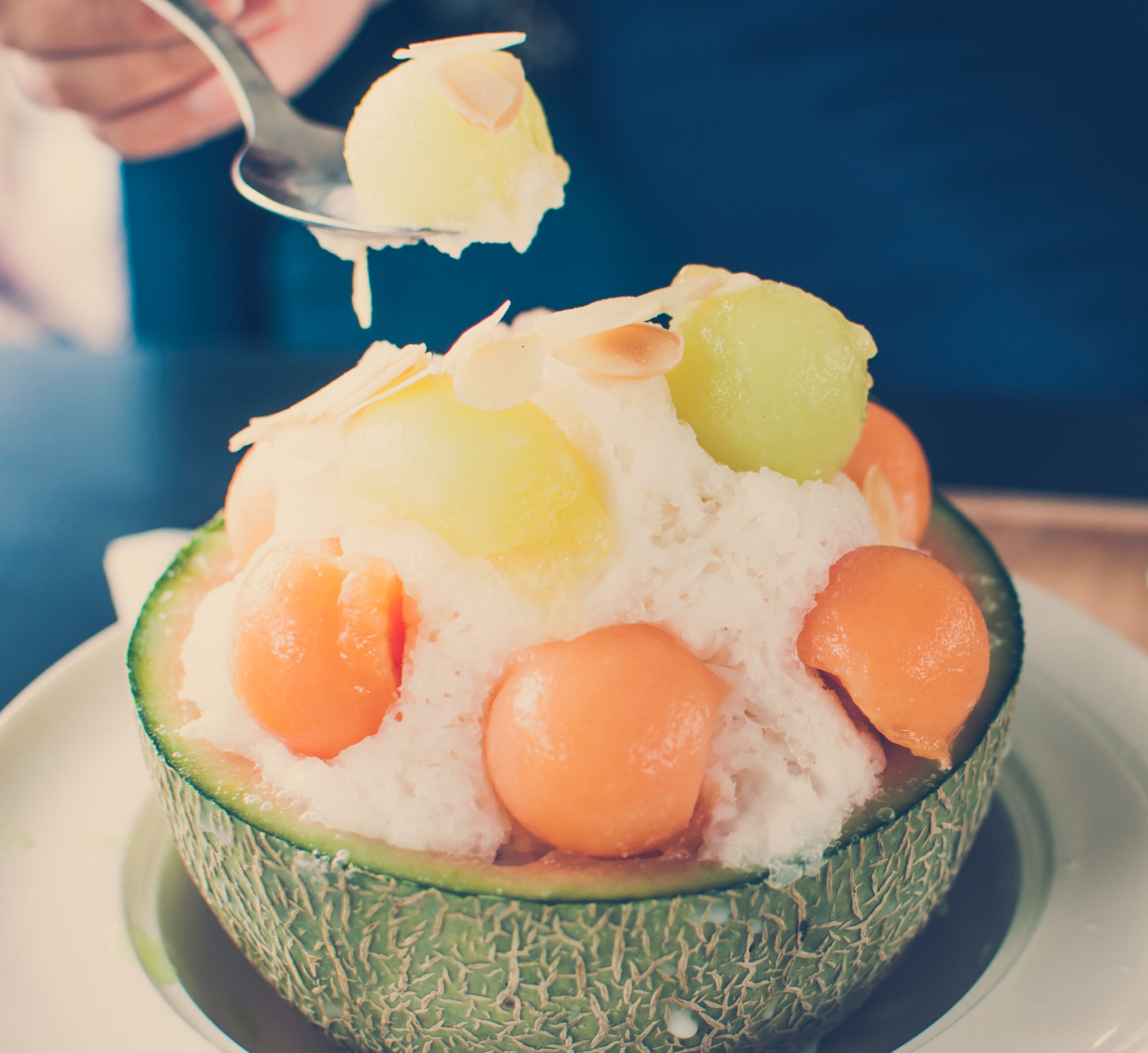
Summer in Japan is a full sensory experience. The nights are warm and thick with humidity, paper lanterns glow above crowded streets, and the air carries the mingled smell of charcoal smoke, soy sauce, and sugar. Across the country, matsuri (festivals) take over parks, riverbanks, and neighborhood streets from June through August, and with them comes one of the great pleasures of summer foods in Japan.
Whether you’re navigating the famous Gion Matsuri in Kyoto, catching fireworks along the Sumida River in Tokyo, or stumbling upon a small neighborhood celebration, the food stalls—called yatai—are half the fun. Knowing what to look for makes the whole experience richer.
This guide covers the essential summer foods you’ll find across Japan, from festival staples to everyday cooling dishes that help locals survive the heat.
Further reading: Regional Japanese Food You’ve Probably Never Tried
Why Summer Food Culture in Japan Is Unlike Anywhere Else

Japan’s food culture is famously seasonal. Every season brings its own ingredients, dishes, and rituals—and summer is no exception. The heat shapes everything: lighter flavors, more cooling dishes, foods that can be eaten standing up while watching fireworks or dancing in a yukata.
At a matsuri, food is social currency. You wander between stalls with friends, try one thing, pass it around, move on to the next. There’s no formal seating, no set menu. It’s one of the most joyful, unhurried ways to eat.
Here’s what you should be eating.
Kakigori: Shaved Ice Done the Japanese Way

If you see a red flag spinning outside a shop in summer, that’s the signal: kakigori is served here. Shaved ice has been a Japanese summer tradition since the Heian period, and modern kakigori has evolved into something far more refined than a simple snow cone.
The key difference between kakigori and what you might find elsewhere is the texture of the ice. Traditional Japanese shaving machines produce ultra-fine, feather-light flakes that melt on the tongue rather than crunch against your teeth. The result is closer to flavored snow than flavored ice.
What to expect at a festival stall
At yatai, kakigori tends to be the more classic style: a generous mound of shaved ice poured over with brightly colored syrups. The flavors are simple and vivid.
- Ichigo: Strawberry — the crowd favorite
- Melon: Green, sweet, unmistakably Japanese
- Ujikintoki: Matcha + sweet red bean
- Blue Hawaii: Pineapple and lemon, vivid blue
The high-end kakigori scene
Beyond festivals, Japan has developed a specialist kakigori culture. In cities, dedicated cafés serve seasonal creations made with natural fruit purées, condensed milk, and handcrafted toppings. If you have time, visiting one of these cafés—especially in Kyoto or Osaka—is worth the queue.
Insider tip: Ask for miruku (milk) with your kakigori. Many stalls will drizzle sweetened condensed milk over the top, which adds a creamy richness and keeps the ice moist all the way to the bottom.
Yakitori: Grilled Skewers and Festival Smoke
Follow the smell of charcoal and sweet soy sauce and you’ll find the yakitori stall. These grilled skewers of chicken—and sometimes vegetables—are one of the defining smells of a Japanese summer festival, and one of the most satisfying things you can eat while standing in a crowd.
How yakitori works at matsuri
At festival stalls, yakitori is usually served in its most straightforward form. You choose a few skewers from the display, pay, and eat while you walk. The grill master tends to a row of skewers with practiced ease, basting them with tare (a sweet soy glaze) or simply seasoning with salt (shio).
Essential skewer types to try
- Momo: Thigh meat. Juicy and rich, this is the classic starting point.
- Tsukune: Chicken meatball. Often served with a raw egg yolk for dipping at sit-down shops, at festivals it usually comes glazed in tare.
- Negima: Alternating chicken and spring onion. The onion chars beautifully and sweetens the whole skewer.
- Kawa: Chicken skin. Crispy, fatty, caramelized in sauce. An acquired taste, and completely addictive.
- Torikawa: If you see a vegetable skewer with mushrooms, peppers, or corn, grab one. They pair perfectly alongside the meat.
Tare vs. shio: which to choose
Both are great. Tare is sweeter and more intense—it caramelizes on the grill into something almost lacquer-like. Shio is cleaner and lets the quality of the chicken come through. At a festival, tare is more common. If you’re at a dedicated yakitori bar later in your trip, try both.
Cold Soba: Japan’s Most Elegant Summer Dish

Away from the festival stalls, cold soba is Japan’s answer to the problem of eating in the heat. Light, refreshing, and unexpectedly satisfying, it represents a completely different side of summer food culture—quiet, restrained, and deeply considered.
Soba noodles are made from buckwheat flour, which gives them a subtle earthiness that sets them apart from wheat-based noodles. Served cold, they become almost silky.
Zaru soba: the standard
Zaru soba is the version you’ll see everywhere. Cold soba noodles are piled on a bamboo tray (zaru), served alongside a small bowl of cold tsuyu dipping broth, finely sliced spring onion, grated wasabi, and sometimes strips of dried nori. You take a small bundle of noodles, dip them briefly into the broth, and eat.
It’s minimal, precise, and extraordinarily refreshing when the temperature is pushing 35°C.
Other cold soba variations to know
Oroshi soba
Topped with grated daikon radish, which adds a cooling, slightly peppery note. The daikon juice mixes into the broth and transforms it entirely. A summer favorite.
Tororo soba
Served with grated nagaimo (mountain yam), which creates a thick, slightly sticky sauce. Strange texture at first; genuinely wonderful after.
Soba-yu
This isn’t a dish so much as a ritual. When you finish your soba in a proper soba restaurant, the kitchen will bring out the hot water used to cook the noodles. You pour it into your remaining tsuyu, diluting it into a light, nutty broth to drink. Don’t skip this—it’s one of those quiet pleasures that stays with you.
Other Must-Try Summer Festival Foods
Kakigori, yakitori, and cold soba are the pillars—but the full landscape of Japanese summer food is much broader. Here are the other essentials you’ll encounter at festivals and throughout the season.
Taiyaki and Imagawayaki
Fish-shaped cakes filled with sweet red bean paste (anko), custard, or—in modern variations—chocolate. They’re cooked fresh in cast-iron molds at festival stalls and handed to you in a paper wrapper. The outside crisps up beautifully while the filling stays soft. Eat them hot.
Takoyaki
Round, golf-ball-sized wheat flour balls filled with pieces of octopus, cooked in a special dimpled pan and served with mayonnaise, okonomiyaki sauce, bonito flakes, and dried seaweed. Osaka considers these a civic identity. At festivals across Japan, the smell of takoyaki cooking is inescapable—and irresistible. Be warned: the filling holds heat for much longer than the outside suggests. Eat slowly.
Edamame
Boiled green soybeans in the pod, salted generously and served in a bowl or bag. Simple, cheap, deeply satisfying, and ubiquitous at summer festivals. They pair well with cold beer, which is also widely available at matsuri stalls.
Somen
Thin wheat noodles served cold, often in a bowl of ice-cold water. Even lighter than soba, somen is a staple of the Japanese home kitchen in summer. If you visit someone’s home during the season, there’s a good chance somen will appear at lunch.
Corn (Tomorokoshi)
Grilled corn on the cob, brushed with soy sauce and butter, is a festival classic that seems simple but delivers every time. The soy sauce caramelizes on the grill and creates something close to magic. Look for the stall with the longest line.
Ramune
Technically a drink rather than a food, but Ramune—a carbonated lemon-lime soda sealed with a marble stopper—is so embedded in matsuri culture that it deserves a mention. Opening the bottle is an event in itself: you push the marble down with the provided plastic plunger and the drink fizzes dramatically. It’s sweet, cold, and unmistakably summer in Japan.
Practical note: At busy festivals, the lines for popular stalls can be long. Go early in the evening when the festival opens, or visit mid-week if the event runs for multiple days. The best yakitori goes quickly—the stalls with the shortest menu and the most smoke are usually the ones worth waiting for.
How to Navigate a Yatai (Festival Food Stall) Like a Local
Festival stalls can feel chaotic if you don’t know the rhythm. Here’s what to expect.
Most stalls have their menu and prices clearly displayed, often with plastic food models or photographs. Cash is almost always preferred—and in many cases required—at festival stalls, so carry small bills (¥500 and ¥1,000 notes work best). Credit cards are rarely accepted at matsuri.
Ordering is simple: point at what you want, indicate the quantity by holding up fingers, hand over the money, and receive your food. A smile and a simple hitotsu kudasai (“one, please”) goes a long way.
Eating while walking is perfectly acceptable at festivals—this is one of the few occasions in Japan where it’s genuinely the norm. Find a spot near a lantern or along the stall row, and eat as you explore.
Seasonal Summer Drinks Worth Knowing
Food and drink are inseparable at matsuri. Beyond Ramune and cold beer, a few drinks are particularly tied to the Japanese summer.
Mugicha—roasted barley tea—is cold, unsweetened, and deeply refreshing. It’s the summer drink of Japanese households, poured into glasses from large pitchers kept in the refrigerator. You’ll find it in vending machines and convenience stores throughout the warm months. Try it instead of water and you’ll understand why Japan keeps coming back to it.
Calpis Soda, a fizzy lactic acid drink with a distinctive mild sweetness, is another summer staple—especially popular with younger crowds at festivals. It’s often mixed with water at home, but the canned soda version is easy to find at stalls.
A Quick Summer Food Calendar
Not all summer foods appear at the same time. Here’s a rough guide to when to look for what.
June
Early summer. Somen and cold soba begin appearing on restaurant menus. Kakigori shops open. Some regional festivals begin—look for events tied to rice planting season.
July
Peak festival season begins. Gion Matsuri runs through the entire month in Kyoto. Yakitori stalls, takoyaki, and kakigori are everywhere. Edamame and corn are at their seasonal best. Fireworks festivals (hanabi taikai) happen throughout the country on weekend evenings.
August
The heat peaks. Obon festival season brings neighborhood events and Bon Odori dancing. Hiyashi chuka—cold ramen with vegetables—becomes a common lunch option at restaurants that wouldn’t normally serve ramen in summer. End of the month marks the beginning of transition toward autumn flavors.
Summer in Japan is loud, warm, and generous. The food at matsuri doesn’t aim to be sophisticated—it aims to be exactly right for the moment: eaten standing up, under lanterns, with people you’ve just met or known all your life.
The kakigori melts before you can finish it. The yakitori disappears in three bites. The soba is gone before it has time to warm up. That’s the point. Summer food in Japan is made for the present tense.
Find a festival, follow the smoke, and start with one skewer. The rest tends to take care of itself.
Further reading: Hanami Bento: Beautiful Picnic Foods for Cherry Blossom Season