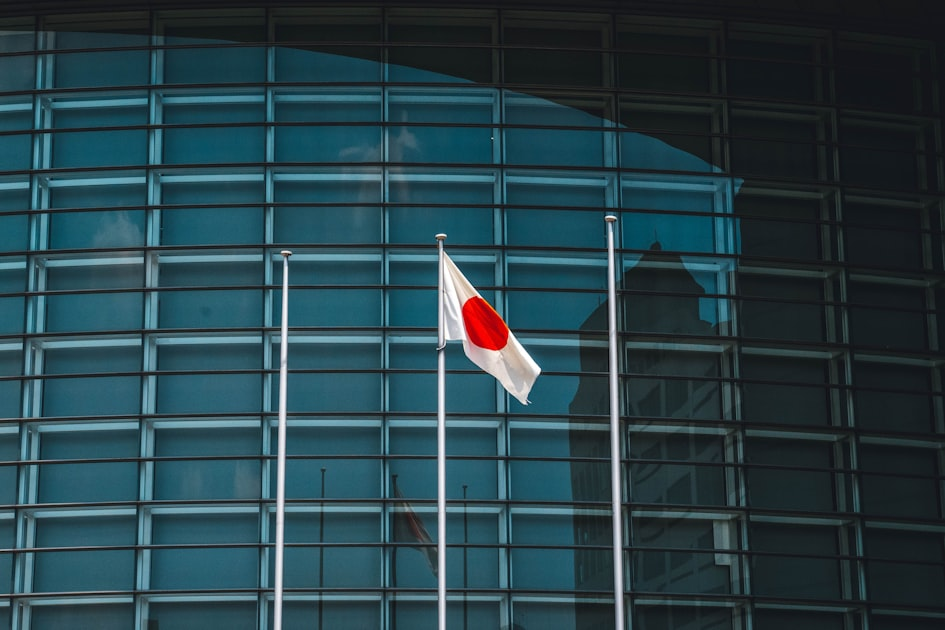
Japan has a distinctive culture where centuries-old traditions blend seamlessly with cutting-edge modern life. For foreigners, exploring Japanese culture and understanding these cultural nuances is essential—not only to navigate daily interactions with ease but also to appreciate the depth and meaning behind local customs. This guide explores the key aspects of Japanese culture that will help you connect more naturally, avoid misunderstandings, and experience Japan more authentically and respectfully.
Understanding Japanese Culture

Understanding Japanese culture means recognizing how deeply values like politeness, humility, and respect for seniority shape everyday life. These principles are reflected in behaviors such as maintaining quietness in public spaces, being punctual, and following well-established etiquette. For foreigners, some of the most important cultural practices to learn include proper bowing, using public transportation without causing disruption, observing dining and chopstick etiquette, and keeping public displays of affection to a minimum. Together, these habits help you navigate Japan more smoothly and show respect for the social harmony that locals deeply cherish.
Respect and Etiquette in Japan

Showing respect and following etiquette are fundamental to Japanese culture, and adopting these practices will help you blend in smoothly and avoid unintentional offense.
Daily Life and Public Spaces
- Always remove your shoes before entering homes, some restaurants, temples, and other traditional or private spaces. Slippers are often provided to wear indoors.
- Keep quiet on trains and buses—avoid loud conversations and set your phone to silent. Eating on public transport is generally considered rude.
- Japanese people are famously orderly when it comes to lining up. Always wait patiently and never cut in line.
- Public trash bins are rare, so carry your rubbish with you until you find a proper disposal spot. Littering and spitting in public are strongly frowned upon.
- Keep your voice down in public areas, especially in the evening, to respect others’ peace.
- Avoid hugging, back-patting, or prolonged eye contact, as these may feel intrusive. Instead, a polite bow or slight nod is the customary greeting.
Dining and Food
- Never stick chopsticks upright in a rice bowl or pass food directly from one pair of chopsticks to another—these gestures are linked to funeral rituals.
- Eating while walking is considered impolite. However, it’s perfectly acceptable to slurp noodles loudly, which is seen as a sign of enjoyment.
- Tipping is not customary in Japan and can sometimes cause confusion or embarrassment.
General Respect and Interactions
- Arriving on time—or even a few minutes early—is a key way to show respect for others’ time.
- Use polite phrases like “Arigatou gozaimasu” (thank you very much) and “Sumimasen” (excuse me) often to show consideration.
- Address people with the honorific “-san” after their last name, especially with new acquaintances or in formal situations.
- When invited to someone’s home, bringing a small gift or souvenir is a thoughtful gesture.
- Be discreet when taking photos. Avoid photographing people without permission—especially during prayer—and never take selfies with geisha or maiko, as they are professionals working.
- Respect personal space, even in crowded settings, as this is an important cultural norm.
Exceptions and Special Situations
- When visiting an onsen (hot spring), you must be completely naked and wash thoroughly before entering the communal baths. A small towel is provided for washing, but it should never be placed in the bathwater.
Festivals and Celebrations in Japan

Japanese festivals, known as matsuri, are vibrant cultural events deeply rooted in Shinto beliefs and local community traditions. These celebrations range from quiet shrine rituals to spectacular large-scale parades. For foreigners, matsuri provide a unique chance to experience Japan’s rich history firsthand and connect with locals in a lively, authentic setting.
Key Annual Festivals and Celebrations
Japan’s festivals vary by region and season, often celebrating nature, harvests, or spiritual milestones:
- Spring:
The season is highlighted by Cherry Blossom (Sakura) Festivals, where people gather in parks like Tokyo’s Sumida Park to admire the fleeting beauty of cherry blossoms. Other springtime events include Hana Matsuri (Buddha’s Birthday) on April 8th and grand Shinto festivals such as Tokyo’s Kanda Matsuri in May. - Summer:
Summer brings lively celebrations like the Gion Matsuri in Kyoto, famous for its elaborate float processions. Fireworks festivals (Hanabi Taikai) light up the skies across Japan. The Obon Festival in August is a Buddhist tradition honoring ancestors, featuring traditional Bon Odori folk dances that visitors are often invited to join. - Autumn:
Autumn features harvest festivals and events centered on stunning fall foliage. Highlights include Osaka’s Kishiwada Danjiri Matsuri, known for thrilling cart-pulling races, and cultural ceremonies like the Ikegami Honmonji Temple Oeshiki Ceremony in October. - Winter:
Winter is famous for the Sapporo Snow Festival in Hokkaido, showcasing intricate snow and ice sculptures. February brings Setsubun—a ritual where soybeans are thrown to drive away evil spirits. The New Year period (Oshōgatsu) involves traditional preparations and shrine visits that mark the start of the year.
Etiquette for Foreign Visitors
To fully enjoy and respect these cultural events, keep the following in mind:
- Dress Appropriately:
While casual clothing is acceptable at most festivals, many locals wear traditional attire such as yukata (light cotton kimono) or happi coats. Wearing modest clothing at religious ceremonies at shrines or temples. - Participate Respectfully:
Some festivals, like the Aomori Nebuta Matsuri, welcome tourists to join in dancing. Follow local customs carefully and always follow the lead of locals. - Observe General Manners:
Be punctual for organized events and avoid eating while walking. Respect local rules, especially around sacred sites and during solemn rituals.
Plan for Golden Week:
Golden Week, which falls from late April to early May, is one of Japan’s busiest travel seasons. Book transportation and accommodations well in advance if you plan to attend festivals or travel during this time.
Art and Aesthetics in Japan

Japanese aesthetics are deeply rooted in principles such as minimalism and an appreciation for imperfection. These ideals, especially the philosophy of wabi-sabi, celebrate the beauty found in impermanence, imperfection, and understated elegance.
Traditional Arts and Aesthetics
- Zen Influence: Zen Buddhism has had a lasting impact on Japanese aesthetics, encouraging modesty and a focus on the essence of things.
- Wabi-Sabi: This core aesthetic philosophy embraces the transient and incomplete, finding beauty in the natural cycle of growth and decay.
- Key Art Forms:
- Sumi-e: Traditional ink painting known for its fluid brushwork and emphasis on simplicity.
- Ukiyo-e: Iconic woodblock prints depicting landscapes, kabuki actors, and everyday life—artists like Hokusai are world-renowned.
- Nihonga: A broad category encompassing traditional Japanese painting styles that often use natural pigments and themes.
- Calligraphy (Shodo): More than writing, Shodo is an art form where the energy, rhythm, and pressure of each brushstroke convey spirit and emotion.
- Crafts: Japan’s rich craft traditions include exquisite textiles like Nishijin weaving, refined ceramics such as Arita and Bizen ware, and elegant lacquerware.
Aesthetic Experiences: Traditional Japanese sweets (wagashi) often reflect seasonal themes and embody the delicate beauty celebrated in Japanese aesthetics.
Contemporary Art and Culture
- Modernization: While deeply respectful of tradition, Japanese art has evolved by integrating modern influences, allowing heritage to coexist with innovation.
- Fusion: Contemporary artists often blend classical techniques with international styles and pop culture phenomena like manga and anime. This fusion offers fresh and dynamic perspectives on Japan’s evolving aesthetics.
Naoshima Art Island: A prime example of modern Japanese art. This island features contemporary museums such as the Chichu Art Museum, designed to harmonize with the natural environment and showcase cutting-edge art.

Exploring Japanese culture reveals a fascinating blend of ancient traditions and modern innovation, woven together by values like respect, harmony, and mindfulness. Whether through everyday etiquette, vibrant festivals, or the timeless beauty of its art, Japan offers endless opportunities for meaningful connection and discovery. By understanding and embracing these cultural nuances, foreigners can enrich their experience, build genuine relationships, and truly appreciate the unique spirit that defines Japan.
Read more at: Japan I Know You Know