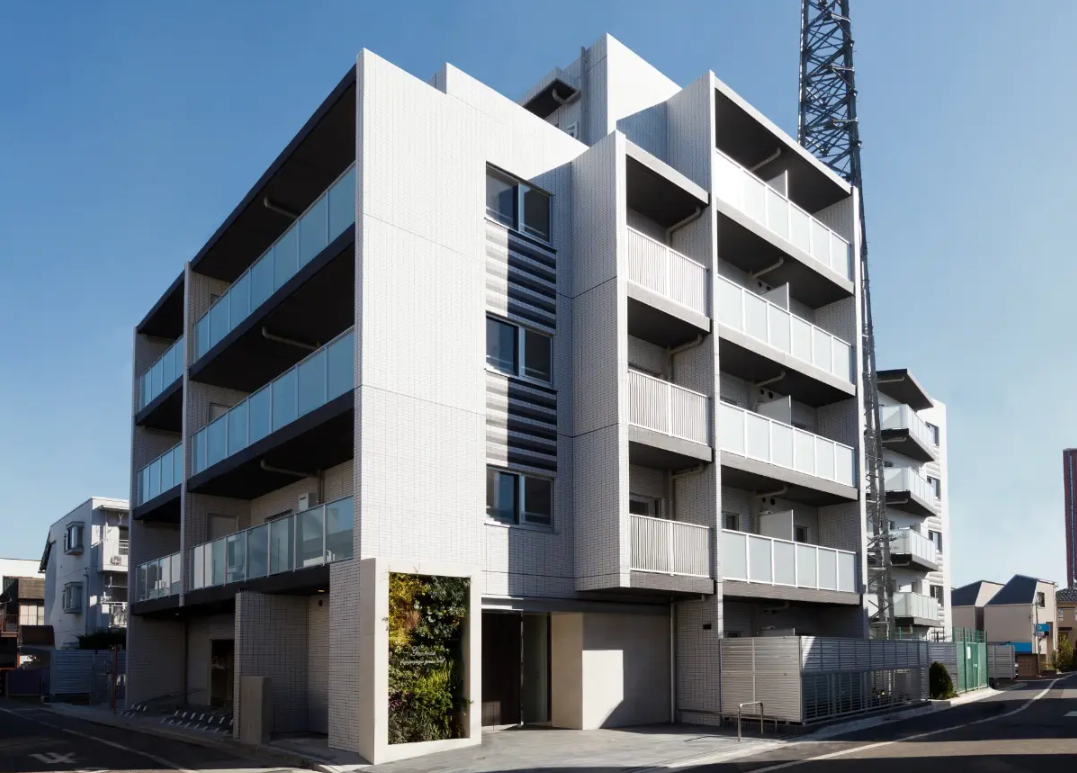
Tokyo has a way of getting under your skin. One trip and you’re already mentally rearranging your life to figure out how to stay longer. The food, the energy, the neighborhoods that somehow feel like small villages inside one of the largest cities on earth — it all adds up to something hard to leave behind. For a growing number of people, the question stops being “when can I come back?” and starts being “can I actually own a piece of this city?” The answer, perhaps surprisingly, is yes. And finding a place to buy an apartment in Tokyo is more accessible than most people assume.
Here’s an honest, practical breakdown of what buying an apartment in Tokyo actually involves — the good parts, the surprising parts, and the things worth knowing before you start.
Yes, Foreigners Can Buy Property in Tokyo
This is the first question, and the answer is refreshingly straightforward: Japan imposes no restrictions on foreign ownership of real estate. No residency requirement, no local co-owner, no special visa. A foreign national can purchase an apartment in Tokyo on the same freehold terms as a Japanese citizen, with full title registered in their name. The property registry system is transparent and legally robust.
This surprises people, especially those familiar with other Asian property markets where foreign ownership comes loaded with conditions and workarounds. Japan keeps it simple: find a property you want, go through the purchase process, and it’s yours.
Getting to Know Tokyo’s Neighborhoods First

Before looking at a single listing, it’s worth thinking seriously about where in Tokyo you actually want to be. The city covers an enormous area across 23 special wards, and the neighborhoods within it are genuinely distinct from one another. Getting the location right shapes everything else about the experience of living here.
Shinjuku and Shibuya are the city’s commercial and transit hubs — dense, hyper-connected, and never quiet. The areas immediately surrounding them, like Yoyogi, Sendagaya, and Harajuku, offer a softer version of that energy with better green space. Shimokitazawa, a quick hop from Shibuya, has built a devoted following for its vintage stores, live music venues, and distinctly unhurried neighborhood atmosphere. Nakameguro, threaded along a tree-lined canal, is one of the most design-forward addresses in the city. Yanaka, in the northeast, preserves a shitamachi (old downtown) character that feels genuinely historic — old temples, narrow lanes, and family-run shotengai stretching on for blocks.
Farther out from the center, the residential wards of Setagaya, Meguro, and Nerima trade urban intensity for quieter streets, better air, and a pace of daily life that many long-term Tokyo residents come to prefer. Tokyo’s train network is so reliable and comprehensive that distance from the center matters less than it does in most cities — and it opens up a much wider range of neighborhoods worth considering.
What Tokyo Apartments Actually Cost
Prices in Tokyo span a wider range than the city’s reputation as “expensive” might suggest. At the top end, apartments in premium addresses like Minami-Aoyama, Azabu-Juban, or Roppongi can rival Manhattan or central London. But the mid-market tells a different story.
A well-located 1LDK (one bedroom plus combined living, dining, and kitchen area) in a solid inner-city neighborhood can be anywhere from ¥30 million to ¥60 million — roughly $200,000–$400,000 at current exchange rates. Compact 1K studios in suitable locations often come in below ¥30 million. Larger 2LDK and 3LDK apartments in the mid-ring residential wards offer genuine space at prices that compare favorably to equivalent properties in comparable global cities.
One factor working in favor of international buyers right now is the weakness of the Japanese yen against the dollar and euro, which has meaningfully increased purchasing power for overseas buyers over the past few years.
How the Buying Process Works
The process is well-organized but document-heavy, and almost all of it happens in Japanese. Most international buyers work with a bilingual real estate agency or a specialist platform experienced in handling overseas clients, and that single decision makes the whole experience considerably smoother.
The sequence runs roughly like this: you identify properties through an agent or listings platform, arrange viewings in person or by video, agree on a price, sign a formal purchase agreement (baibai keiyakusho) in the presence of a licensed agent, pay a deposit (typically 10% of the purchase price), and complete the transaction through a judicial scrivener (shihō shoshi) who handles the official title transfer and registration. The process from offer to completion usually takes four to eight weeks.
One important note for buyers from outside Japan: domestic mortgage lenders require residency as a condition of lending, which means most international buyers purchase with cash or arrange financing at home. Budget an additional 6–8% of the purchase price for closing costs — agent fees, registration taxes, and scrivener fees.
Not Ready to Buy Yet? Renting is a Smart First Step

For anyone still building their sense of which neighborhood fits them best, or not quite ready to commit to a purchase, renting first is an option worth considering seriously. Living in a neighborhood for six months to a year before buying gives a much more honest picture of day-to-day life than any amount of browsing listings can. Tokyo’s rental market thoroughly develops and makes itself accessible to foreign tenants, offering a good range of furnished and unfurnished options across most wards. A detailed guide to renting property in Japan covers the rental process, documentation requirements, and what to expect at each stage — useful reading whether renting is the destination or just a step along the way.
What to Watch Out For
A couple of things are worth flagging for anyone going into the process for the first time. First, Japan updated its Building Standards Law in 1981 with significantly stricter seismic resistance requirements. Apartments in buildings constructed before that year may need structural reinforcement to meet current earthquake safety standards. Pre-1981 buildings aren’t necessarily a problem — many have been retrofitted — but a professional structural survey is essential before committing.
Second, condominium purchases come with monthly management and maintenance fees covering building upkeep, communal areas, and long-term repair funds. These vary by building but should be factored into the ongoing cost of ownership alongside property taxes, which in Japan are calculated at approximately 1.4% of the government’s assessed value — much lower than market price, keeping annual bills modest.
The City is Worth It
Tokyo rewards people who commit to it. Owning an apartment here isn’t just a financial decision — it’s a stake in one of the most fascinating, layered, and genuinely livable cities on earth. The food culture alone is worth the price of admission; throw in the safety, the precision of daily life, the seasonal rhythms of cherry blossoms and autumn leaves, and the quiet pleasures of a neighborhood that reveals itself slowly over months and years, and the appeal is hard to argue with.
For anyone who has been thinking about making a more permanent connection to Japan, the market is open, the process is navigable, and the properties are out there waiting to be found.