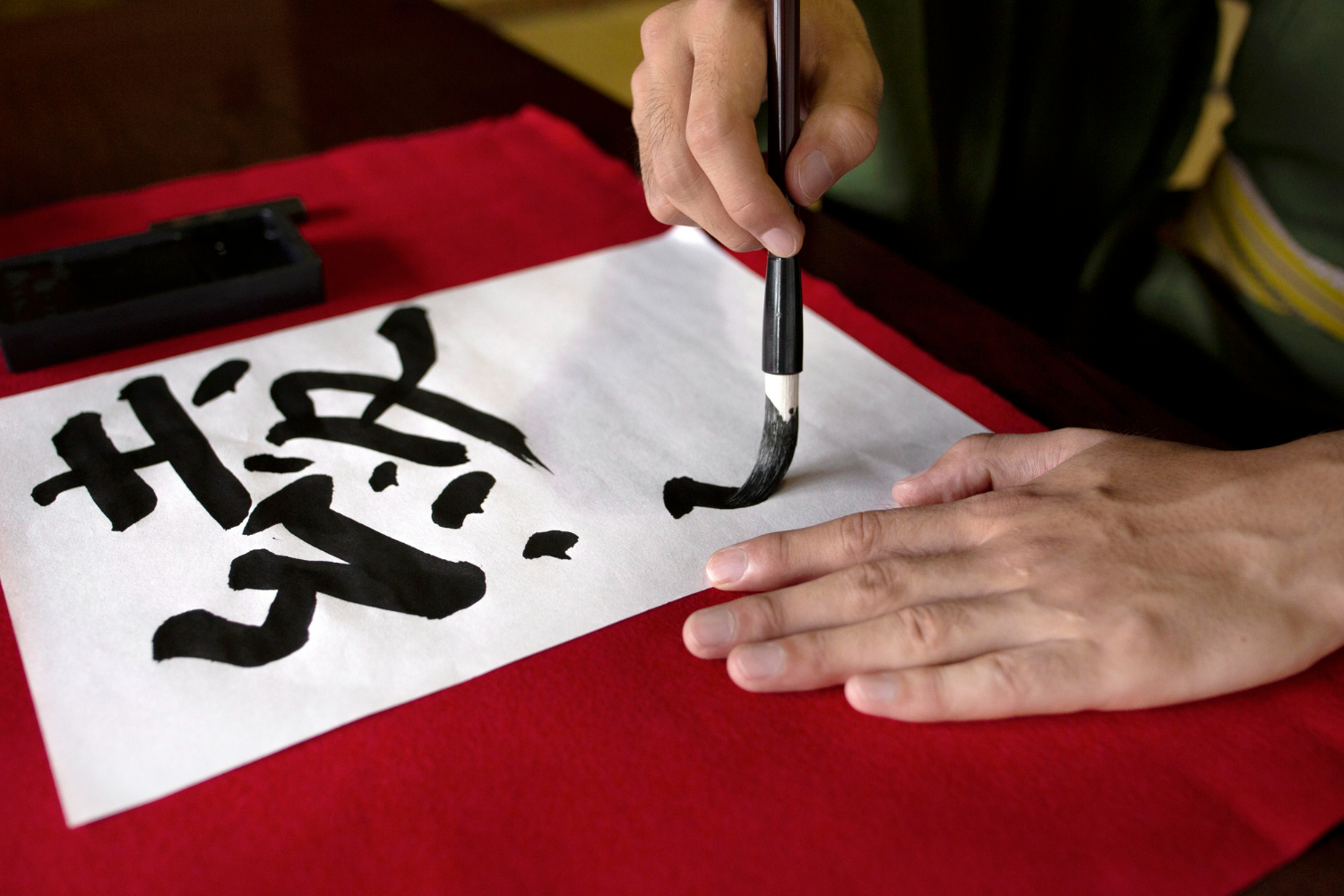
Every language does this. When a feeling becomes too common, specific, or urgent to describe in existing words, people start reaching for new ones. The Japanese have always been good at coining expressive terms for daily life, social pressure, or cultural change. But the buzzwords circulating in Japan right now feel different from the usual slang. They’re not just playful or generational. Many of them are trying to name things that are going wrong, changing fast, or reshaping how people live.
If you want to understand modern Japan, start by paying attention to the words people are reaching for.
Further Reading: Untranslatable Japanese Words — And What They Reveal About Japan
Niki (二季): The Country That Lost Two Seasons
Let’s start with the one that carries the most emotional weight. Niki — written with the characters for “two” and “seasons” — is the word people use when they observe that Japan no longer really has four seasons anymore. Shiki (四季), or the four seasons, is one of the most deeply embedded concepts in Japanese cultural identity. The cherry blossoms of spring, the humidity and cicadas of summer, the red maples of autumn, the cold clarity of winter — these aren’t just weather patterns. They’re the organizing framework of poetry, cuisine, fashion, festivals, and the emotional calendar of the year.
Niki names the uncomfortable feeling that this is collapsing. Summers now stretch aggressively into what used to be autumn. True winters are shorter and milder. The two distinct shoulder seasons that gave Japanese life so much of its texture are increasingly hard to find. The word doesn’t argue policy or assign blame; it simply marks the loss. And in Japan, that quiet act of naming a disappearance carries genuine grief.
Taiki Bansha (大器晩成): Patience as a Survival Strategy
This one is older — a classical four-character compound, or yojijukugo — but it’s been revived and recontextualized as a contemporary buzzword. Taiki bansha roughly translates as “an impressive vessel takes a long time to complete.” It’s being used as a counterweight to the cultural pressure on young Japanese people to succeed early, fast, and visibly.
Taiki Bansha functions as a type of permission structure in a society that evaluates career paths early and emphasizes social comparison. A culturally approved way of saying that some people take time to find their path. It’s being deployed in career counseling, parenting conversations, and social media posts by people pushing back against the relentless urgency of early achievement culture. The ancient phrase is doing modern emotional labor.
Jimushi (地虫死): When the Ground Goes Quiet
Literally translating as “ground insects dying,” jimushi was originally a seasonal term in the old agricultural calendar, marking the point in autumn when insects retreated underground. People have repurposed it in everyday conversation to describe something more social.
It’s used to describe meetings that have lost momentum, groups that have stopped communicating, or organizations where the culture has died. As a metaphor, it’s both precise and poetic. The sense of a surface that appears normal but has gone silent underneath. In a culture where group harmony is highly valued, naming the moment that harmony has hollowed out is significant.
Jikan Poverty (時間貧困): Richer in Things, Poorer in Hours
Jikan means “time,” and the buzzword jikan poverty describes the experience of being materially comfortable but exhaustingly short of time. The condition of the dual-income household describes this situation, where both partners work long hours, children’s schedules are packed, and weekends disappear into errands and obligations.
The word resonates strongly with Japan’s ongoing conversation about overwork culture. Japan has long grappled with the concept of karoshi (death from overwork), but jikan poverty captures something slightly different. The everyday scarcity of hours affects millions of ordinary people who are living at a pace that leaves them depleted. Naming it as a form of “poverty” is a deliberate rhetorical move. It places time shortage in the same moral category as material deprivation and asks society to take it as seriously.
Muen Shakai (無縁社会): A Society Without Bonds
Muen shakai translates as “society without ties” or “disconnected society.” It was popularized following an NHK documentary series that documented the growing phenomenon of people dying alone in Japan. Often, elderly individuals’ deaths go unnoticed for days, weeks, or longer because they have no family nearby, no neighbors who check in, and no social network.
The word has since expanded beyond its original context to describe a broader pattern of social atomization. The declining number of community organizations, weakening of extended family ties, and the growing number of people who report having no close friends and no one they could call in a crisis. In a country with one of the world’s fastest-aging populations and a historically strong emphasis on group belonging, muen shakai names a rupture that feels both surprising and urgent.
Satori Generation (さとり世代): The Enlightened Ones Who’ve Given Up
This is a generational label applied to younger Japanese people who are characterized by having quietly abandoned ambition. Not from laziness, but from a clear-eyed assessment of the available options. Having grown up during two decades of economic stagnation, watching their parents’ generation work long hours for diminishing returns, and facing housing prices and career ladders that feel essentially inaccessible, the satori generation has arrived at a kind of equanimity by another route.
Satori literally means “enlightenment” in the Buddhist sense — the reaching of a peaceful acceptance beyond desire. The buzzword is playful and slightly ironic: it implies that this generation’s contentment with modest material lives isn’t resignation, exactly, but a deliberate philosophical reorientation. They don’t want the luxury car or the corner office. They want enough. The word both celebrates and mourns that shift, depending on who’s using it.
Kabe-don (壁ドン): Romance Reduced to a Gesture
Not every buzzword carries social weight — some are just wonderfully expressive. Kabe-don — “kabe” meaning wall, “don” being the sound of something hitting it — describes the romantic manga and drama trope where someone pins their love interest against a wall with a sudden, forceful gesture. It became a full cultural meme, a shorthand for a specific kind of dramatic, romantic tension, and eventually a parody of itself as the move was lampooned in commercials and comedy sketches.
What makes kabe-don interesting is how efficiently it packages an entire emotional scenario into a single compound sound-word. This is something Japanese does exceptionally well — the don suffix alone carries enormous expressive range across different compound words, each capturing the acoustic and emotional quality of a moment. Kabe-don succeeded as a buzzword partly because it’s fun to say and partly because it crystallized something people already recognized from fiction and fantasy.
What Buzzwords Tell Us
Taken together, these words paint a portrait of a society actively processing some significant pressures: climate grief, time scarcity, social disconnection, generational disillusionment, and the quiet loss of things that used to feel permanent. The fact that Japan keeps inventing precise, memorable terms for these experiences says something hopeful, actually. Naming something is the first step toward taking it seriously.
Language in Japan has always been a place where cultural feeling gets compressed, examined, and shared. These buzzwords are doing the same work that mono no aware and wabi-sabi did for previous generations — finding form for experiences that might otherwise remain unspoken.
Keep Exploring: How to Read Hiragana in 1 Hour: A Visual Guide