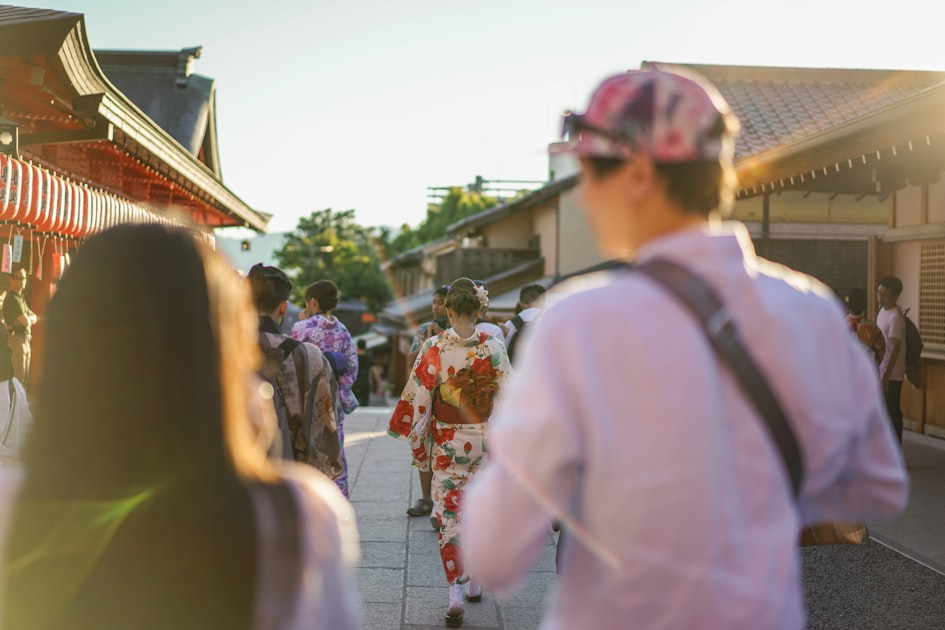
Japan is a country that celebrates the seasons, honors its history, and brings communities together through festivals known as matsuri. These events—ranging from centuries-old rituals to lively modern gatherings—offer a window into the soul of Japanese culture. Whether you’re visiting during spring’s cherry blossoms or the heat of Kyoto’s summer parades, Japanese festivals promise unforgettable experiences.
Below is a guide to some of the most iconic festivals and fascinating regional celebrations you won’t find anywhere else.
Further reading: Must Know Travel Tips for Foreigners in Japan
Japanese Festivals

Japan hosts numerous festivals throughout the year, showcasing its rich culture. Here are some notable ones:
Hanami (Cherry Blossom Viewing)

Hanami isn’t just a festival—it’s a beloved spring tradition that symbolizes renewal and the fleeting beauty of life. Every year, families, friends, and coworkers gather in parks under blooming sakura trees to enjoy picnics, music, and drinks. Popular hanami spots are Ueno Park in Tokyo, Maruyama Park in Kyoto, and the Meguro River.
More than a celebration, hanami is a peaceful moment to pause and appreciate the arrival of spring.
Gion Matsuri (Kyoto Festival)

Held throughout July, Gion Matsuri is one of Japan’s most famous festivals, with origins dating back over 1,100 years. Known for its enormous, decorated wooden floats—some over 25 meters—the festival transforms Kyoto into a living museum of craftsmanship and tradition.
The highlight is the Yamaboko Junko parade, where teams of locals pull giant floats through the streets. Night markets, food stalls, and festive street decorations create a magical atmosphere that draws visitors from all over the world.
Tanabata (Star Festival)

Celebrated in July, Tanabata is based on the legend of two star-crossed lovers—Orihime and Hikoboshi—allowed to meet only once a year.
During the festival, people write wishes on colorful strips of paper called tanzaku and hang them on bamboo branches.
Cities like Sendai host some of the largest Tanabata celebrations, featuring elaborate decorations, night parades, and displays that fill shopping arcades.
It’s a festival of dreams, hopes, and celestial beauty.
Further reading: Sightseeing in Japan: Top Destinations
Unique and Regional Festivals

Japan’s regional festivals are where local culture truly shines. Traveling off the main tourist path reveals celebrations full of personality, history, and community spirit.
Nebuta Matsuri (Aomori)
A major Japanese summer festival held annually from August 2nd to 7th in Aomori City. With giant illuminated warrior floats (nebuta) roaming the streets, accompanied by taiko drums and dancers (haneto) who chant and jump alongside the floats. The spectacle is both powerful and hypnotic.
Sapporo Snow Festival (Hokkaido)
Each February, Sapporo transforms into a winter wonderland. With snow and ice sculptures—some as tall as buildings—drawing millions of visitors. The festival features hundreds of sculptures, ranging from smaller displays to massive, building-sized statues that take weeks to create. You can enjoy the sculptures during the day and at night when they are illuminated.
Awa Odori (Tokushima)
Japan’s biggest dance festival features costumed groups performing lively traditional dances in the streets, encouraging spectators to join in. The festival lasts four days, drawing in visitors who can watch thousands of dancers perform, accompanied by shamisen, drums, and gongs.
Kishiwada Danjiri Matsuri (Osaka)
One of the most thrilling festivals, this event involves teams pulling massive wooden carts at high speed through narrow streets—an exhilarating display of strength and coordination. The festival’s most famous highlight is the “yarimawashi,” or sharp right-angle turns, which require perfect coordination to prevent accidents. The main festival takes place over a weekend in September, with a smaller version in early October.
Oniyo Fire Festival (Fukuoka)
With roaring flames and dramatic nighttime rituals, this ancient fire festival is one of Japan’s most intense and visually striking traditions. The festival is held annually on January 7th at the Daizenji Tamataregu Shrine in Kurume City, Fukuoka. It is considered one of Japan’s three major fire festivals and involves hundreds of bare-chested men carrying six massive, blazing torches around the shrine grounds. The event is a ritual to ward off evil spirits and pray for good health, family safety, and prosperity for the coming year.

Japanese festivals offer more than entertainment—they’re celebrations of community, craftsmanship, spirituality, and the natural world. Whether you’re watching lanterns drift into the sky, dancing in a crowded street, or sharing Sakura-viewing picnics beneath a canopy of pink, matsuri help you experience Japan not just as a visitor, but as a participant in its culture.
Further reading: Understanding Japanese Language Basics