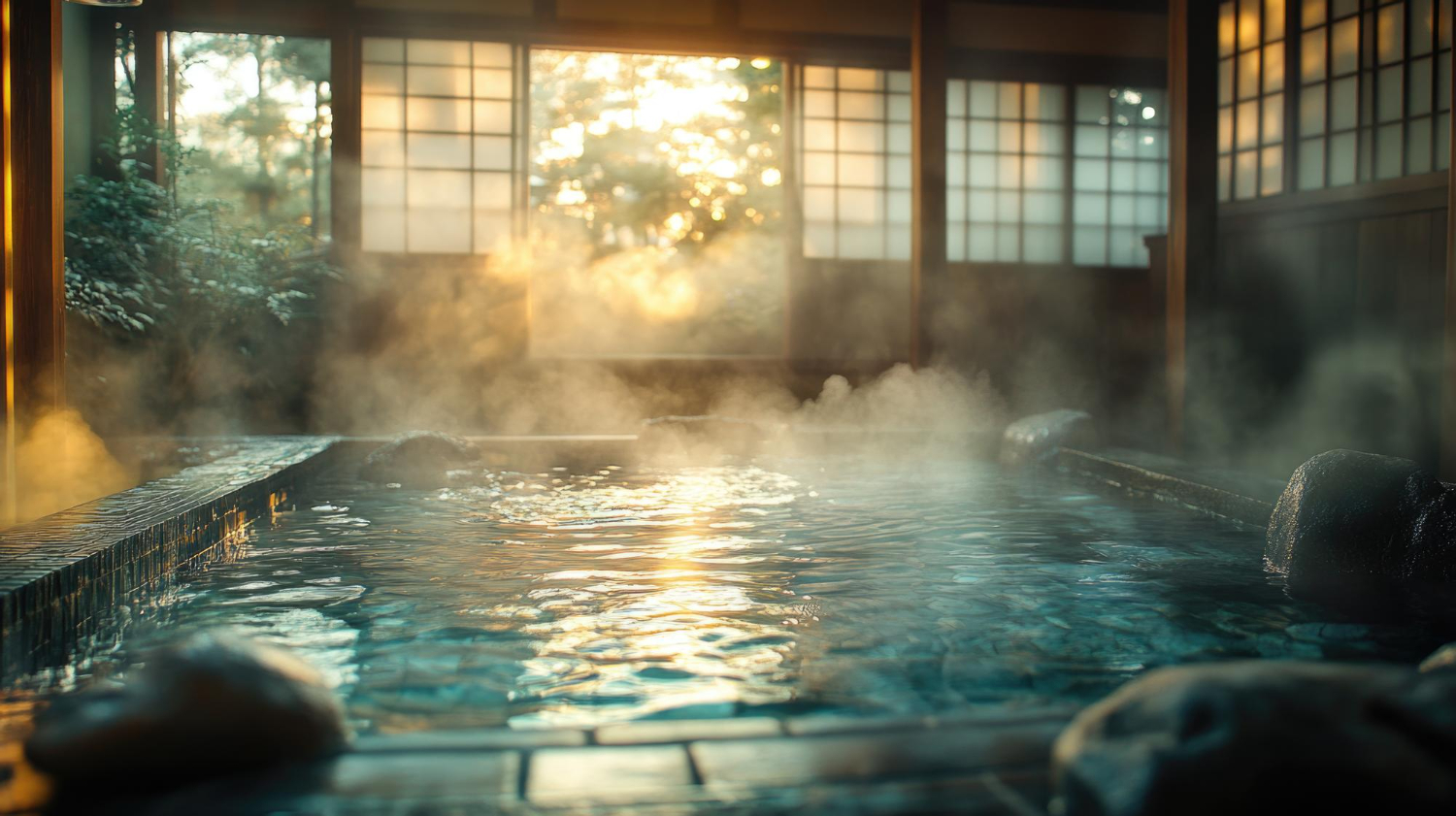
There’s a shift happening in the way people travel. The classic checklist trip — museums, monuments, food tours, photos — is still alive and well, but something new is rising alongside it. Travelers are arriving in Japan not just to see things, but to feel different by the time they leave. Clearer skin. A quieter mind. A body that has been soaked, steamed, stretched, and genuinely rested. This is the era of the “glow-cation,” and Japan didn’t just stumble into this trend — it’s been quietly perfecting the art of restorative travel for centuries.
Further reading: Japan Travel Trends for 2026
What Exactly Is a Glow-Cation?

The term might be new, but the concept is ancient — at least in Japan. A glow-cation is a trip built around wellness, restoration, and deep renewal. It’s the intersection of luxury travel, holistic health, and intentional self-care. Think less “I survived the itinerary” and more “I came home a better version of myself.”
Japan sits at the heart of this movement in a way no other destination quite matches. Where else can you soak in a mineral-rich hot spring at dawn, walk barefoot through ancient cedar forests by midday, and receive tech-assisted skincare treatment? Japan doesn’t offer one wellness experience — it offers an entire ecosystem of them.
Ryokans: The Original Luxury Wellness Retreat

If you haven’t stayed in a traditional Japanese ryokan, add it to the list immediately. These elegant inns have been hosting weary travelers for hundreds of years. They operate on a philosophy that true rest requires the right environment, the right food, the right ritual.
A night in a ryokan is a full sensory reset. You arrive to be greeted in the entryway, slip off your shoes, and step into a world of tatami mats, futon beds, and hushed corridors. A yukata robe is waiting. So is a multi-course kaiseki dinner — seasonal, local, and prepared in a way that makes eating feel like meditation.
Luxury ryokans, in particular, have elevated this experience further. Private outdoor baths (rotenburo), in-room tea ceremonies, curated skincare amenities featuring Japanese botanicals, and personalized hospitality make a high-end ryokan stay rival — and often surpass — anything a five-star Western spa hotel can offer. International visitors are discovering this in droves, and the demand for premium ryokan experiences has never been higher.
Onsen: Japan’s Healing Waters

No wellness conversation about Japan gets far without mentioning onsen. Japan has thousands of natural hot springs scattered across the country, each with its own mineral composition and its own reputation for healing particular ailments. Sulfur springs for skin clarity. Iron-rich waters for circulation. Sodium chloride baths that leave you soft and warm for hours.
The ritual of bathing in Japan is not casual — it’s deliberate. You wash thoroughly before entering, soak in silence or near-silence, and allow the heat and minerals to do their work. And when you emerge, there is a specific kind of bone-deep calm that people who have experienced it describe as almost indescribable.
For glow-cation travelers, the skin benefits are a major draw. Regular onsen bathing has long been associated with improved complexion, reduced inflammation, and a natural luminosity that no serum can quite replicate. Regions like Beppu, Hakone, Kinosaki Onsen, and Nyuto Onsen in Akita Prefecture have become pilgrimage destinations for wellness travelers specifically seeking this combination of beauty and restoration.
Shinrin-Yoku: The Forest That Heals

In the 1980s, Japan’s government coined a term that would eventually become a global wellness phenomenon: shinrin-yoku, or forest bathing. The practice is exactly what it sounds like — spending time in the forest, slowly and intentionally, absorbing the atmosphere through all five senses. No hiking goals, no fitness benchmarks. Just presence.
The science behind shinrin-yoku is compelling. Research has shown that time spent among trees reduces cortisol levels, lowers blood pressure, boosts immune function, and improves mood. Trees emit phytoncides — natural compounds that trigger measurable physiological responses in the human body. Japan took this seriously enough to certify forest therapy trails and train licensed guides in the practice.
For international visitors, shinrin-yoku experiences are now available as guided immersions throughout Japan’s most stunning natural areas. The Akasawa Natural Recreation Forest in Nagano Prefecture is considered the birthplace of the practice. The ancient cedar forests of Yakushima Island offer something almost otherworldly. The Aokigahara forest at the base of Mount Fuji, the bamboo groves of Kyoto, and the misty highland forests of Nikko all carry that same restorative quality.
When you combine a forest bathing session with an onsen soak afterward — as many itineraries now do — you’re looking at a day of wellness that is hard to rival anywhere on earth.
Tech-Enabled Skincare: Japan’s Beauty Innovation Meets Wellness Travel

Japan has always been at the forefront of skincare culture. The domestic beauty industry is renowned for its obsession with ingredients, texture, and efficacy — and this extends into the travel experience. High-end hotels and wellness clinics across Tokyo, Osaka, and Kyoto now offer treatments that blend traditional Japanese ingredients (rice bran, green tea extract, camellia oil, sake lees) with advanced technology.
Facial treatments using high-frequency devices, LED therapy, microcurrent tools, and AI-assisted skin analysis are increasingly available as part of curated wellness packages. Some luxury ryokans have partnered with Japanese skincare brands to offer bespoke in-room treatment menus. Skin clinics in Tokyo — a destination in their own right for beauty-conscious travelers — offer everything from collagen-boosting IV drips to precision laser treatments backed by Japanese dermatological expertise.
The appeal for glow-cation travelers is obvious. You leave with results you can see and feel — and a new appreciation for why Japanese beauty culture has captured the world’s attention.
Building Your Own Glow-Cation Itinerary

The beauty of a Japanese wellness trip is that it doesn’t require a rigid plan — it rewards a slower pace. Here are a few anchors worth building around:
Start with an onsen town
Hakone, just 90 minutes from Tokyo, offers hot spring ryokans with views of Mount Fuji. Kinosaki Onsen in Hyogo Prefecture gives you a village with seven public bathhouses to rotate through — a tradition called yu-meguri (bath hopping) that is as social as it is therapeutic.
Add a forest day
Whether it’s the cedars of Yakushima or a guided shinrin-yoku walk through Nagano’s highlands, build in at least one unhurried morning in the trees.
Book a ryokan for at least two nights
One night is never enough. The rhythm of a ryokan — morning bath, seasonal breakfast, afternoon wandering, evening kaiseki — takes time to sink in.
Explore a skincare treatment
Whether it’s a professional facial at a Tokyo clinic, an in-room treatment at a wellness hotel, or simply spending an afternoon at a Japanese department store beauty counter learning from an esthetician, engaging with Japan’s skincare culture is part of the experience.
Leave white space
The hardest and most important part of any glow-cation. Japan rewards slow observation. The best moments often happen when you’re not rushing somewhere.
The Bigger Picture
The rise of wellness travel reflects something real about what people are seeking from their time away. A trip that leaves you more depleted than when you arrived is losing its appeal. Japan, with its deep cultural reverence for harmony, ritual, and natural beauty, offers something increasingly rare: a place where restoration is built into the infrastructure of travel itself.
The ryokan exists to make you well. The onsen exists to heal you. The forest invites you to breathe. The cuisine is designed to nourish. Even the aesthetics — the clean lines, the natural materials, the deliberate silence — seem calibrated to reduce noise in the nervous system.
If you’ve been waiting for a reason to finally book that trip to Japan, this might be it. Not to rush through the highlights, but to glow your way through them.
Further reading: The Most Beautiful Train Rides in Japan That Tourists Rarely Plan For