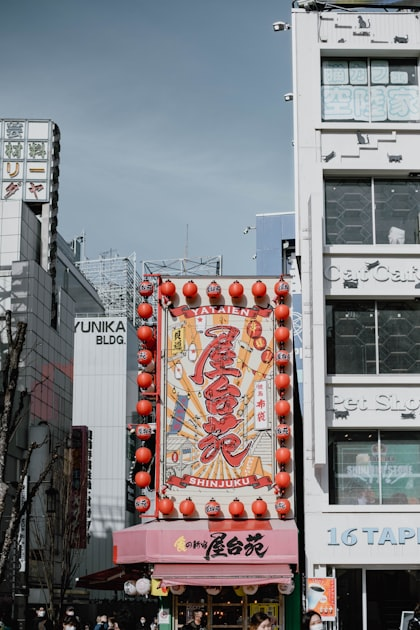
Planning a trip to Japan? With its mix of ancient tradition, futuristic cities, and unmatched hospitality, the country offers an experience unlike anywhere else. But first-time visitors are often surprised by the unspoken customs, efficient systems, and unique quirks that shape daily life. These essential Japan travel tips will help you navigate the country with confidence—saving you time, preventing cultural slip-ups, and ensuring a smoother, more enjoyable adventure. From transportation and communication to etiquette and practicality, here’s what every foreign traveler should know before arriving in Japan.
Further reading: 10 Unwritten Social Rules in Japan Every Foreigner Should Know
Essential Travel Tips

Japan is incredibly welcoming, but its systems and everyday routines can be quite different from what foreign travelers are used to. Let’s break down the most important things to know before you explore—practical tips that will help you move around smoothly, avoid common mistakes, and feel more confident as you navigate the country. Each point below gives you the essentials you’ll be glad to know from day one.
Learn Basic Japanese Phrases

Learning basic Japanese phrases will greatly enhance your travel experience in Japan. Knowing simple phrases is helpful for navigation, ordering food, and showing respect to locals, even if many people in tourist areas speak some English.
Greetings and Polite Phrases
- Konnichiwa (こんにちは): Hello (good afternoon)
- Ohayou gozaimasu (おはようございます): Good morning
- Konbanwa (こんばんは): Good evening
- Arigatou gozaimasu (ありがとうございます): Thank you (formal)
- Sumimasen (すみません): Excuse me / I’m sorry
- Onegaishimasu (お願いします): Please
- Dozo (どうぞ): Please go ahead (used for offering or allowing)
- Gomen nasai (ごめんなさい): I’m sorry
- Hai (はい): Yes
- Iie (いいえ): No
- Daijoubu desu (大丈夫です): It’s okay / I’m okay
Navigation and Transportation
- XX wa doko desu ka? (XXはどこですか?): Where is XX?
- De guchi wa doko desu ka? (出口はどこですか?): Where is the exit?
- Kore wa doko desu ka? (これはどこですか?): Where is this? (while pointing)
- Tomete kudasai (止めてください): Stop, please (for taxis)
- Dono densha? (どの電車?): Which train?
Remember to be patient with yourself, as mistakes are a part of learning.
Further reading: Understanding Japanese Language Basics
Use Public Transportation Efficiently

To use Japan’s public transportation efficiently, get an IC card like Suica or Pasmo for easy payment, use apps like Navitime or Japan Travel by NAVITIME to plan routes, and follow etiquette by keeping quiet, lining up, and offering priority seats. Remember to check routes beforehand, especially for buses, and consider luggage forwarding services for convenience.
Before You Go
- Get an IC card: Purchase a prepaid IC card like Suica, Pasmo, or ICOCA for seamless travel on trains, subways, and buses. These cards can also be used at some vending machines and convenience stores.
- Plan your route: Download a public transportation app to navigate complex stations and plan your journey, including potential transfers. Look for English signs in major stations to find the correct lines and platforms.
- Consider luggage: If you have large bags, use a luggage forwarding service to send them directly to your hotel so you can travel lighter.
- Book in advance: For highway buses, especially during peak season, it’s wise to book tickets in advance online or at a terminal.
On the Train and Subway
- Boarding: Line up neatly at the platform before the doors open. Have your IC card or ticket ready before you reach the ticket gates to avoid holding up the line.
- Behavior: Keep conversations quiet and put your phone on silent mode. Avoid making phone calls on local trains; the shinkansen has specific areas for making calls.
- Luggage: Take off your backpack and either carry it in front of you or place it on an overhead rack to avoid bumping into others.
On the Bus
- Routes: Be sure to check your bus route carefully beforehand, as many buses share parts of their route before splitting off in different directions.
- Payment: Most city buses accept IC cards with a “tap on” and “tap off” system, but you can also often pay with cash.
- Priority seats: Priority seats are reserved for those who need them, such as the elderly, pregnant women, and people with disabilities.
At the Station
- Tickets: Before exiting, have your IC card or ticket ready for the exit gate.
- Navigation: In large stations, use the signs above you to find the correct line. Signs often use arrows, colors, and English to guide you through the multi-level complexity.
Further reading: Sightseeing in Japan: Top Destinations
Respect Local Customs and Traditions

Japan places great importance on politeness, harmony, and consideration for others—values that show up in everyday interactions. As a visitor, understanding these cultural expectations not only helps you avoid misunderstandings but also shows genuine respect for the people and places you encounter. The tips below highlight key customs that will help you blend in smoothly.
Public and Social Etiquette
- Maintain quiet in public: Speak softly on public transportation and keep your phone on silent.
- Be punctual: Being on time is highly valued; plan to avoid being late.
- Line up: Follow the practice of lining up in an orderly fashion for buses, trains, elevators, and restaurants.
- Dispose of trash: Carry your trash with you until you find a proper bin, as public trash cans are scarce.
Home and Temple Etiquette
- Remove shoes indoors: Always take your shoes off when entering homes, some restaurants, temples, and other buildings.
- Follow temple and shrine rules: Walk on the side of paths, be quiet, and follow specific rituals for washing your hands or offering prayers.
Communication
- Use both hands: Use both hands when giving or receiving anything of importance, including gifts, business cards, and money.
- Avoid loud gestures: Pointing with a finger is impolite; use an open hand to gesture instead.
- Carry cash: Have some cash on hand, as many smaller establishments and some temples do not accept cards.
Further reading: A Guide to Japanese Festivals

From navigating bustling train stations to understanding everyday Japanese and etiquette, these must-know travel tips give you the foundation to explore Japan with ease and confidence. While the country’s customs and systems may feel unfamiliar at first, embracing them will enrich your experience and help you connect more deeply with the culture. With a little preparation—and an open mind—you’ll find that Japan is one of the most rewarding destinations in the world. Use these insights as your guide, and you’ll be ready to enjoy the beauty, efficiency, and warm hospitality that make Japan truly unforgettable.