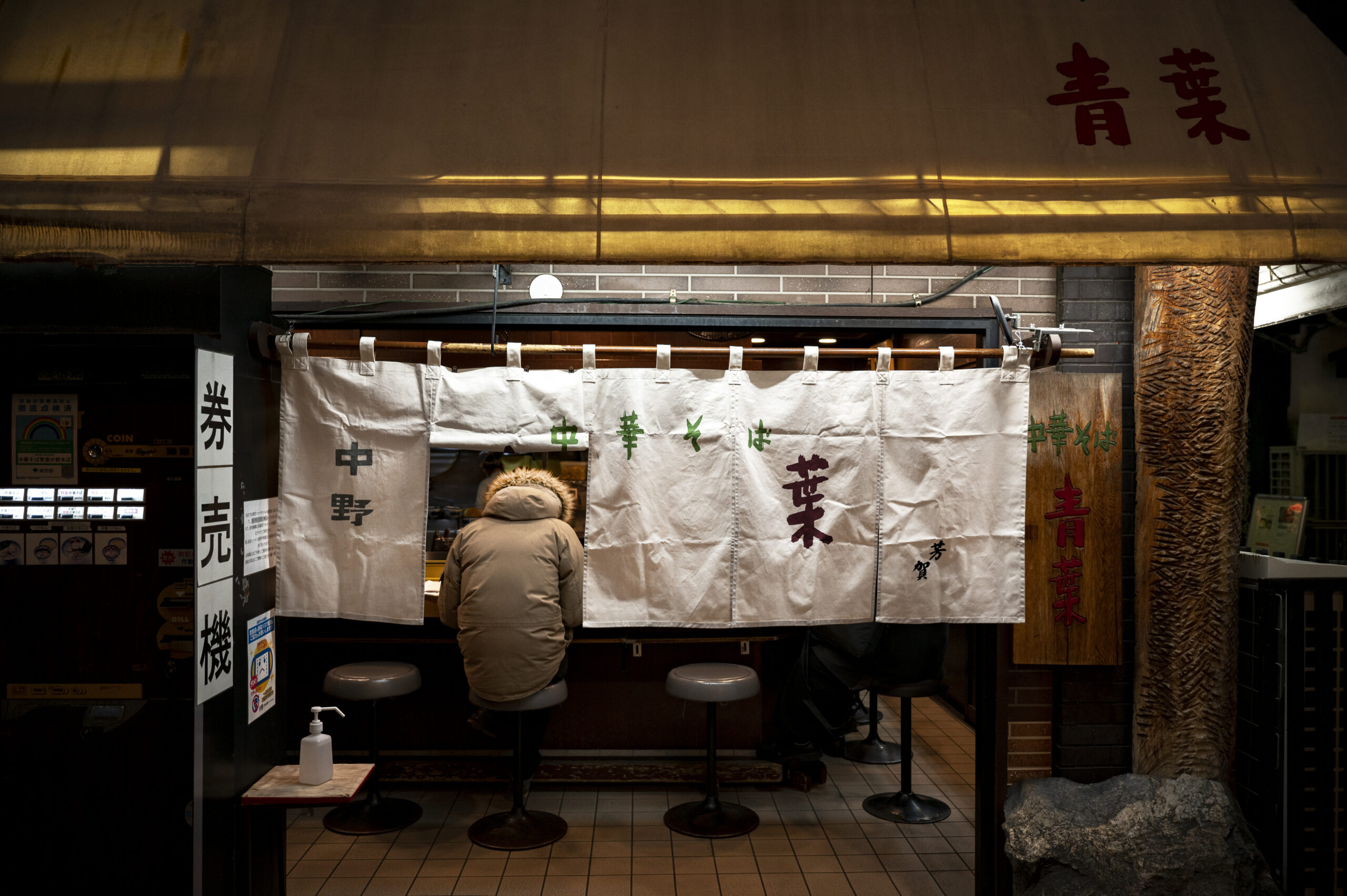
Traveling in Japan is a dream for food lovers. From sushi counters in Tokyo to ramen shops in Osaka, some of the world’s best meals are tucked into places where the menu has zero English. The good news? You don’t need to speak Japanese to understand how to read Japanese menus.
With a little pattern recognition—especially around common food kanji and katakana loanwords—you can decode most menus in minutes. This guide will show you exactly how.
Further reading: Untranslatable Japanese Words—And What They Reveal About Japan
Step 1: Understand the Three Writing Systems

Japanese uses three scripts:
- Hiragana: used for grammar and native words
- Katakana: used mainly for foreign loanwords
- Kanji: Chinese characters representing meaning
On menus, you’ll mostly see kanji and katakana. That’s good news—both are surprisingly practical once you know what to look for.
Step 2: Master the Most Common Food Kanji
You don’t need thousands of characters. You need about 25–40 items that appear constantly on menus.
Here are the most useful ones:
Protein & Main Ingredients
- 肉 (niku): Meat
- 牛 (gyū): Beef
- 豚 (buta): Pork
- 鶏 (tori): Chicken
- 魚 (sakana): Fish
- 海老 / エビ (ebi): Shrimp
- 卵 (tamago): Egg
If you see 牛丼, you’re looking at a beef bowl (gyūdon). If you see 豚骨, it’s pork bone—common in ramen broth.
Cooking Styles
- 焼 (yaki): Grilled
- 揚 (age): Fried
- 生 (nama): Raw
- 煮 (ni): Simmered
- 蒸 (mushi): Steamed
Example:
- 焼き鳥 (yakitori) = grilled chicken
- 天ぷら (tempura) uses 揚 (fried)
Rice & Noodles
- ご飯 / 飯 (gohan / meshi): Rice
- 丼 (don): Rice bowl
- 寿司 (sushi): Sushi
- 麺 (men): Noodles
- ラーメン (ramen): Ramen (katakana)
- そば (soba): Buckwheat noodles
- うどん (udon): Thick wheat noodles
If you spot 丼, it’s almost always a bowl with rice underneath.
Soup & Broth Clues
- 味噌 (miso): Miso
- 塩 (shio): Salt
- 醤油 (shōyu): Soy sauce
- 汁 (jiru / shiru): Soup
These are especially useful in ramen shops.
Step 3: Katakana Is Your Secret Weapon

Katakana is used for foreign-derived words. Many menu items are simply English words written in Japanese pronunciation.
Here are common ones:
- ハンバーグ (hanbāgu): Hamburger steak
- ステーキ (sutēki): Steak
- サラダ (sarada): Salad
- スープ (sūpu): Soup
- パスタ (pasuta): Pasta
- カレー (karē): Curry
- チーズ (chīzu): Cheese
- ビール (bīru): Beer
If you slowly sound them out, you’ll often recognize the original English word.
Example:
“スパゲッティ” = su-pa-ge-tti = spaghetti.
Even major chains like Starbucks and McDonald’s display katakana versions of global menu items.
Step 4: Spot Menu Patterns
Japanese menus are highly structured. Once you understand layout logic, you can predict content.
Set Meals (Teishoku)
Look for:
- 定食 (teishoku): Set meal
A teishoku usually includes:
- Main dish
- Rice
- Soup
- Pickles
If you see 唐揚げ定食, that’s a fried chicken set.
Rice Bowl Shops
Places like Yoshinoya specialize in bowls (丼).
Look for: Ingredient + 丼
Example:
- 牛丼: Beef bowl
親子丼: Chicken and egg bowl
Ramen Shops
Look for the broth type first:
- 味噌ラーメン: Miso ramen
- 塩ラーメン: Salt ramen
- 醤油ラーメン: Soy sauce ramen
Then toppings like:
- チャーシュー (chāshū): Pork slices
- ネギ (negi): Green onions
海苔 (nori): Seaweed
Step 5: How to Read Japanese Sushi Menus

At sushi restaurants, you’ll often see:
- 鮪 (maguro): Tuna
- 鮭 (sake): Salmon
- 海老 (ebi): Shrimp
- 烏賊 (ika): Squid
- 蛸 (tako): Octopus
If it says 握り (nigiri), it’s hand-pressed sushi. If it says 巻き (maki), it’s rolled.
Even if you don’t read everything, recognizing one kanji often gives away the entire dish.
Step 6: Numbers & Prices Are Easy
Japanese menus use Arabic numerals.
- 850円 = 850 yen
- 1,200円 = 1,200 yen
Look for:
- 税込: Tax included
- 税別: Tax not included
*As of February 2026: 100円 = $0.64, CA$0.88, £0.47, €0.54
Step 7: When in Doubt—Use Context

Menus often include:
- Photos
- Plastic food displays outside
- Short descriptions
- Allergen icons
In cities like Tokyo and Osaka, many restaurants also provide English menus upon request.
You can say:
“Eigo no menyū arimasu ka?”
(Do you have an English menu?)
Or simply point and say:
“Kore onegaishimasu.”
(This one, please.)
Step 8: Japanese Food Kanji Cheat Sheet
If you memorize just these, you’ll unlock 70% of menus:
- 牛: Beef
- 豚: Pork
- 鶏: Chicken
- 魚: Fish
- 焼: Grilled
- 揚: Fried
- 丼: Bowl
- 麺: Noodles
- 定食: Set meal
- 大: Large
- 小: Small
Seeing 大盛 means a large portion.
Step 9: Bonus: Understanding How to Read Japanese Menus Seasonal & Regional Terms

Japan loves seasonal food references.
- 春: Spring
- 夏: Summer
- 秋: Autumn
- 冬: Winter
You might see:
- 季節限定: Seasonal limited
- 期間限定: Limited time
These are common in chain restaurants and cafes across Japan.
Confidence Boost
You don’t need fluency to eat well in Japan.
You need:
- 20–30 core kanji
- Ability to sound out katakana
- Confidence to point
After two or three meals, your pattern recognition will skyrocket. And once you understand the menu structure, even restaurants without English become approachable. That’s when Japan’s food culture truly opens up.
How to Read Japanese Menus Frequently Asked Questions
Do I need to know kanji to order food in Japan?
No. Recognizing 20–30 common food kanji is enough to understand most menus. Photos and katakana loanwords make it even easier.
What is the easiest Japanese writing system to read on menus?
Katakana is easiest for English speakers because many words are foreign loanwords like ステーキ (steak) and パスタ (pasta).
How can I tell if something is fried or grilled?
Look for:
- 揚 (fried)
- 焼 (grilled)
Are English menus common in Japan?
In major cities like Tokyo and Osaka, many restaurants provide English menus. Smaller local establishments may not.
What does “don” mean on a menu?
丼 (don) means a rice bowl dish with toppings.
Further Reading: Japanese Street Culture: Hidden Worlds in Tokyo and Osaka