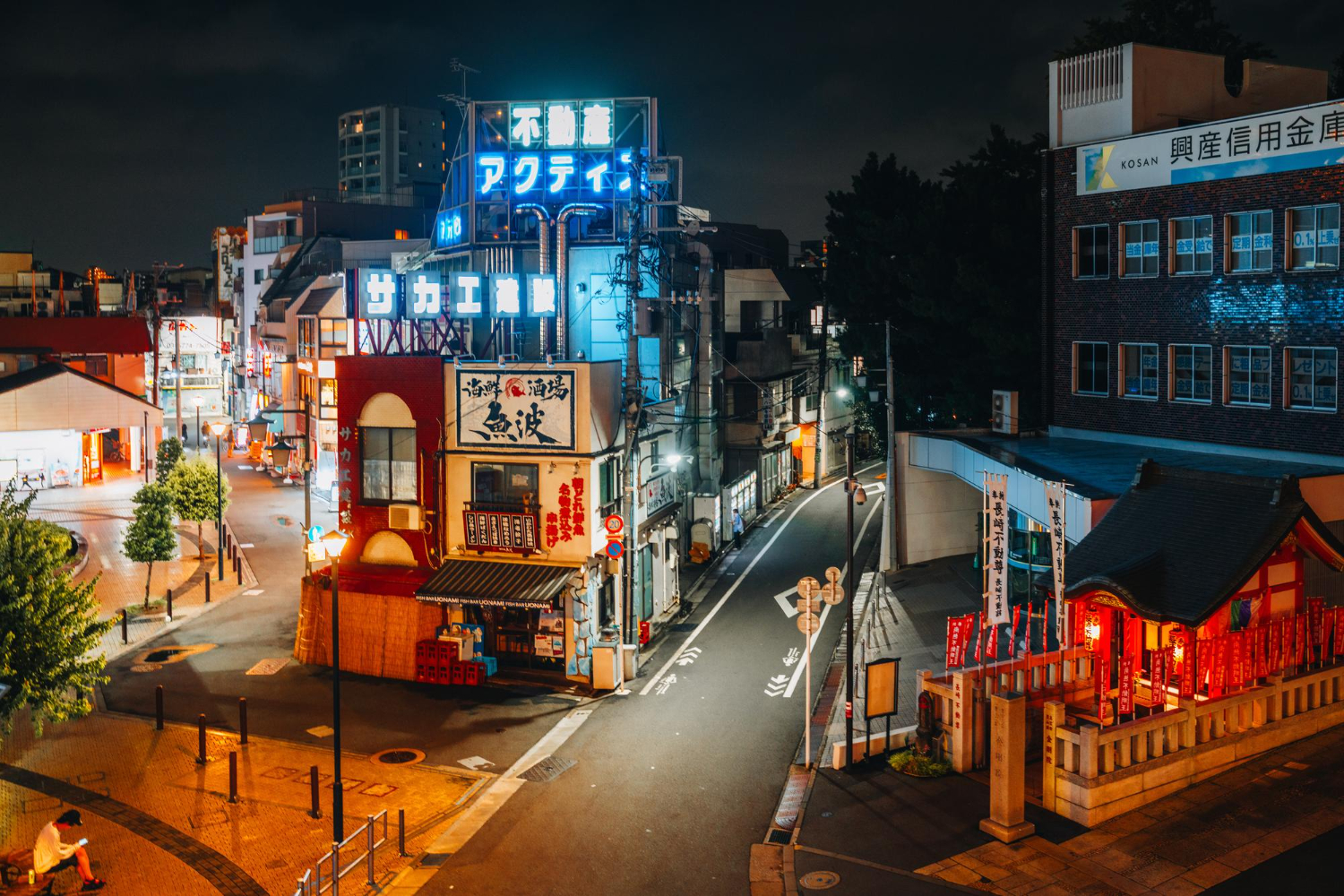
Heisei-era retro is one of the most fascinating cultural movements happening in Japan right now; a collective, joyful return to the aesthetics, objects, and rituals of the late 1980s and 1990s.
Walk into the right kind of shop in Shimokitazawa or Koenji these days, and you’ll find something curious happening. Teenagers and twenty-somethings — people born well after the year 2000 — are crouched over plastic bins of sticker sheets, flipping through them with the kind of focus usually reserved for treasure hunting. Nearby, someone is paying a genuinely surprising amount of money for a chunky 1990s digital camera that takes blurry, low-resolution photos on purpose. A few blocks away, a café with mismatched wooden chairs, a tube TV in the corner, and a jazz record spinning softly is fully booked for the evening.
Further Reading: Japanese Street Culture: Hidden Worlds in Tokyo and Osaka
What Exactly Was the Heisei Era?

For context: the Heisei era spans 1989 to 2019, the reign of Emperor Akihito. It followed the Showa era, and it’s often remembered as Japan’s transitional decade. The bursting of the bubble economy, the rise of personal technology, the explosion of kawaii culture, and a particular visual aesthetic that feels distinctly of its time in a way that’s hard to replicate intentionally.
This is the Japan of Tamagotchi, of print club photo booths (purikura), of flip phones with charm straps, of City Pop cassette tapes, of pastel stationery shops, of the very specific fluorescent lighting found in a 1990s convenience store. It’s an aesthetic that sits somewhere between optimism and melancholy, bright colors and chunky technology layered over a quiet awareness that the economic boom years were already behind them.
What’s happening now is that an entire generation too young to have lived through it firsthand is rediscovering this era and falling for it completely.
Why Now? The Psychology Behind the Trend
Nostalgia trends tend to follow a fairly reliable cycle, roughly 20 to 30 years after a cultural period ends, it starts to feel fresh again to a new generation that never experienced it directly. Japan’s Heisei retro wave fits this pattern almost perfectly. The people driving this trend are largely in their teens, twenties, and early thirties, old enough to have a vague, secondhand cultural memory of the late Heisei years from childhood, but young enough that the early Heisei aesthetic (think: bubble-era maximalism, chunky electronics, analog everything) feels genuinely novel rather than embarrassing.
There’s also something deeper going on. In a hyper-digital, algorithm-driven culture, the appeal of analog objects: film cameras, handwritten letters, sticker books, cassette tapes — lies precisely in their imperfection and tactility. A digital photo is infinite and disposable. A purikura sticker, printed once and stuck into a physical album, has weight and permanence. In an era of infinite scroll, that kind of finite, physical object has become genuinely precious.
Sticker Swapping: A Tiny Object With a Big Cultural Footprint
If there’s one object that captures the Heisei retro movement in miniature, it’s the sticker. Specifically, the purikura sticker — those small, glossy photo-booth stickers that were a defining feature of teenage social life throughout the 1990s and 2000s.
Sticker swapping culture has come roaring back, but with a twist: it’s no longer just about printing your own photos. Collectors now hunt for original, unused vintage sticker sheets from defunct purikura machines and long-discontinued sticker book series: die-cut shapes, sparkly textures, cartoon characters from shows that haven’t aired in decades. Swap meets, both in person and through online communities, have become genuine social events. People trade duplicates, complete sets, and trade lists with the same seriousness that previous generations applied to trading cards.
Specialty shops dealing exclusively in vintage Japanese stickers, stationery, and sticker albums have opened in neighborhoods known for retro culture, and demand has been strong enough that prices for rare, sealed vintage sheets have climbed noticeably. For collectors, the appeal isn’t just decorative — it’s archaeological. Each sticker sheet is a small, perfectly preserved fragment of a very specific cultural moment.
Showa-Era Café Aesthetics: Drinking Coffee Like It’s 1985

Slightly confusingly, much of what’s marketed as “Heisei retro” actually borrows heavily from Showa-era (1926–1989) café culture, and the two periods have started to blend in the popular imagination as one big nostalgic blur of “the past, but cozy.”
The aesthetic itself is unmistakable once you’ve seen it: dim, warm lighting, dark wood paneling, velvet booth seating, hand-siphoned coffee served in heavy ceramic cups, jazz or City Pop playing at a low volume, and an owner who has likely run the place since long before any of their current customers were born. These kissaten (a specific category of old-school Japanese café, distinct from a modern coffee shop) were once considered a dying breed, quietly closing as younger generations gravitated toward chains and convenience.
That trend has reversed dramatically. Original kissaten that survived the lean years are now thriving with a young, design-conscious clientele who treat a visit almost like stepping into a living museum. Meanwhile, new cafés are opening that deliberately recreate the aesthetic from scratch with vintage furniture sourced from secondhand markets, replica menus, and curated playlists of period-accurate music. Some have become genuinely difficult to get a table at, particularly on weekends.
The appeal here mirrors the broader trend: a craving for spaces that feel unhurried, textured, and genuinely different from the sleek minimalism that dominates so much of modern café design.
A Broader Wave: Fashion, Music, and Media

The retro wave extends well beyond stickers and cafés. Vintage clothing shops specializing specifically in 1990s Japanese fashion, oversized blazers, chunky platform shoes, and distinctive logo tees from now-defunct domestic brands have multiplied across Tokyo’s secondhand shopping districts. City Pop, the breezy, jazz-and-funk-influenced music genre that defined the late Showa and early Heisei soundscape, has experienced a massive global revival, partly fueled by algorithmic music discovery, introducing the genre to entirely new international audiences who had never heard it before.
Print magazines, film photography, retro gaming consoles, and even outdated mobile phone models have all found their way into this broader nostalgia economy. Secondhand shops specializing in working vintage electronics, particularly point-and-shoot film cameras and early digital cameras with their distinctively low-fi image quality, have become genuinely difficult to keep in stock.
Why This Trend Resonates Beyond Japan
What makes Heisei retro particularly compelling to outside observers is how specific it is. This isn’t generic “vintage” appeal, it’s a precise, well-defined aesthetic vocabulary tied to a particular cultural moment in a particular country. For visitors to Japan, dipping into this world offers something most standard tourist itineraries miss entirely: a glimpse of how Japan relates to its own recent past, and how genuinely it’s chosen to celebrate it rather than discard it for something newer.
There’s a lesson buried in here, too, about the value of slowness and physical permanence in a culture often associated with cutting-edge technology. Japan gave the world the bullet train and the Walkman, and it’s the same culture now leading a joyful, design-conscious return to sticker books and hand-poured coffee. Both impulses, it turns out, come from the same place: a deep attentiveness to detail and a genuine respect for craft, whatever era it comes from.
Keep Exploring: 10 Unwritten Social Rules in Japan Every Foreigner Should Know