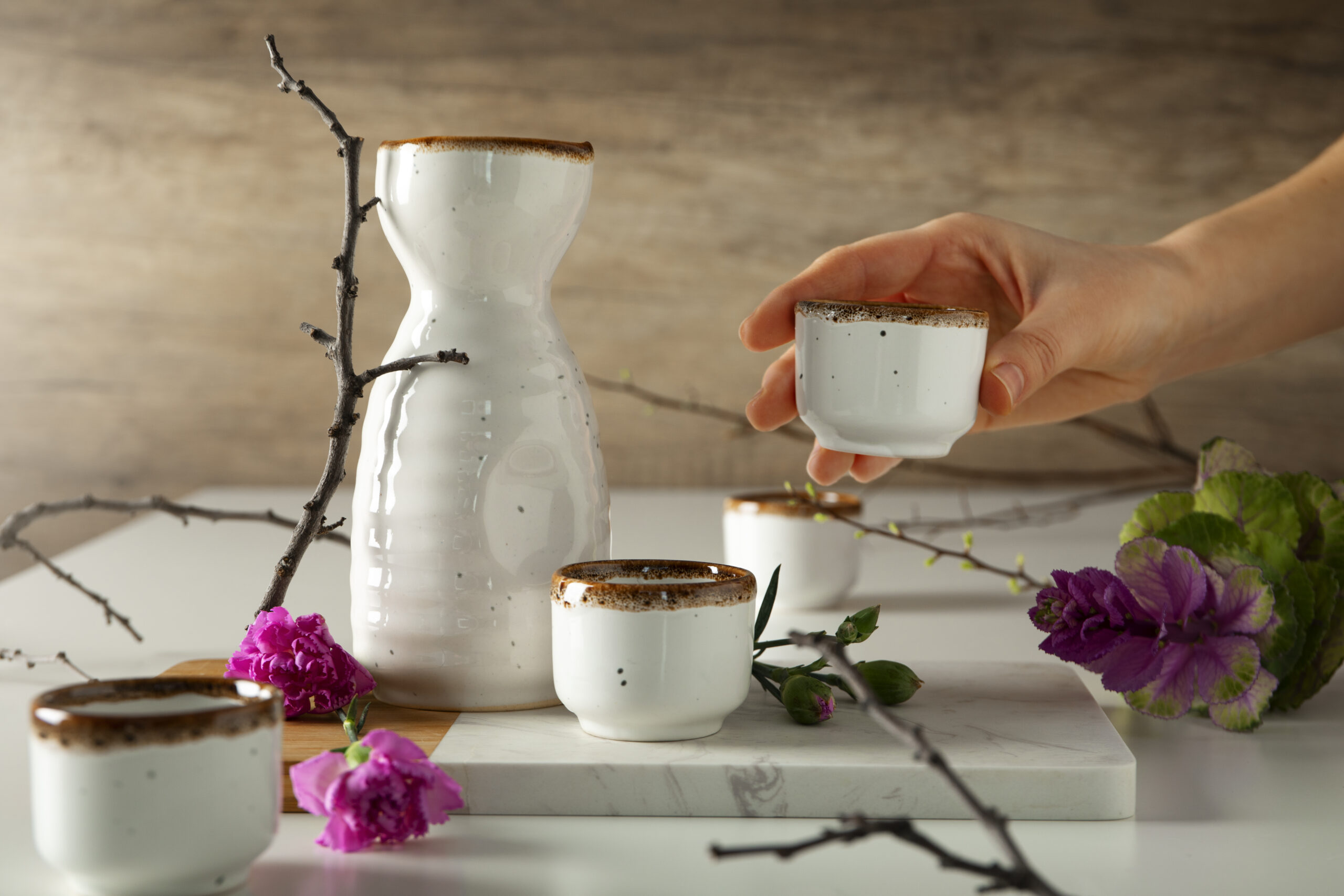
In Japan, some arts are not simply hobbies or creative outlets—they are paths. Dō (道), meaning “the Way,” is a discipline rooted in the idea that true mastery lies not in the final result, but in the lifelong pursuit of self-improvement.
Among the most revered of these are the “Three Ways” (三道, Sandō):
- Sadō—the Way of Tea
- Kadō—the Way of Flowers
- Shodō—the Way of Writing
Together, they represent a uniquely Japanese philosophy: that everyday actions, when practiced with intention and discipline, can become a form of spiritual and personal refinement.
Further reading: A Guide to Japanese Festivals: Celebrations of Culture, Tradition, and Community
What Does “The Way” Mean in Japanese Culture?

The concept of “dō” goes far beyond technique. It transforms an activity into a lifelong journey of discipline, mindfulness, and inner growth. Whether it’s martial arts like kendō or creative practices like calligraphy, the focus is always on process over outcome.
Zen Buddhism and Shinto deeply influence the philosophy. From Zen comes the emphasis on mindfulness and presence; from Shinto, a reverence for nature and purity.
In “the Way,” repetition is not boring—it is essential. By repeating the same movements, gestures, or forms over time, practitioners refine not only their skill, but their character.
Sadō (茶道): The Way of Tea

At first glance, the Japanese tea ceremony may seem like a simple act of preparing and serving tea, but grounded in philosophy and aesthetics, Sadō is a highly refined ritual.
Central to Sadō are four guiding principles:
- Harmony (wa)
- Respect (kei)
- Purity (sei)
- Tranquility (jaku)
These values shape every detail, from the arrangement of utensils to the way tea is served and received.
Sen no Rikyū profoundly shaped the modern tea ceremony. He emphasized simplicity and humility. His influence helped define the aesthetic of wabi-sabi—the appreciation of imperfection, impermanence, and quiet beauty.
A tea gathering unfolds with deliberate care: water is heated, tea is whisked into a smooth froth, and each gesture is performed with intention. Guests follow precise etiquette, often in silence, creating a shared moment of calm and awareness.
Today, Sadō is practiced across Japan and around the world. For many, it offers something increasingly rare in modern life: a chance to slow down, focus, and be fully present.
Kadō (華道): The Way of Flowers

Known more widely as ikebana, Kadō transforms floral arrangement into a disciplined art form rooted in balance and meaning.
Unlike Western flower arrangements, which often emphasize abundance and color, Kadō values minimalism, asymmetry, and space. Every stem, leaf, and angle is carefully considered.
At its core is a symbolic structure representing:
- Heaven
- Earth
- Humanity
These elements are arranged to reflect a deep connection between people and the natural world.
One of the oldest and most influential schools is Ikenobō, which dates back centuries and continues to shape the practice today. Over time, new schools and styles have emerged, blending tradition with modern creativity.
Kadō is not about decorating a space—it is about understanding nature. Practitioners learn to see beauty in simplicity, to appreciate the changing seasons, and to embrace impermanence.
Even in contemporary Japan, ikebana remains a living tradition, practiced in homes, cultural classes, and exhibitions worldwide.
Shodō (書道): The Way of Calligraphy

Shodō is the art of writing characters with brush and ink—but it is equally an art of movement, rhythm, and expression.
Each stroke in Shodō is final. There are no corrections, no erasing. This makes the act of writing a direct reflection of the artist’s state of mind in that moment.
The practice requires mastery of essential tools:
- Brush
- Ink
- Paper
- Inkstone
But beyond technique, Shodō demands control of posture, breathing, and focus. A single character can take years to perfect—not because of complexity, but because of the discipline required to execute it with clarity and intention.
Historically associated with scholars, monks, and the educated elite, calligraphy remains an integral part of Japanese education today. Children learn it in school, while masters continue to push its boundaries as a contemporary art form.
In modern contexts, Shodō appears in everything from traditional scrolls to branding and design—bridging past and present.
What Connects the Three Ways?

Sadō, Kadō, and Shodō all emphasize:
- Mindfulness and presence
- Discipline through repetition
- Respect for tradition
- Simplicity and restraint
More importantly, they redefine what it means to create. In these practices, the goal is not to produce something impressive—it is to cultivate oneself.
This is the essence of “the Way”: a shift from doing to being. The tea you prepare, the flowers you arrange, or the characters you write are secondary. What matters is who you become through the act.
Why the “Three Ways” Still Matter Today

In a fast-paced, digital world, the principles behind the Three Ways feel more relevant than ever. They offer an alternative to constant distraction—inviting us to slow down and engage fully with the present moment.
Across the globe, people are rediscovering practices rooted in mindfulness and intentional living. In this sense, Sadō, Kadō, and Shodō are not just Japanese traditions—they are universal pathways to balance and clarity.
You don’t need to master these arts to learn from them. Their lessons can be applied in everyday life:
- Approach routine tasks with care and intention
- Appreciate simplicity over excess
- Find meaning in repetition
- Stay present in each moment
The Art of Living
The “Three Ways” of Japan remind us that art is not separate from life—it is a way of living it.
Through tea, flowers, and calligraphy, generations of practitioners have explored what it means to act with purpose, to appreciate the fleeting nature of beauty, and to pursue quiet mastery over time. In the end, these traditions are not about perfecting a skill. They are about perfecting awareness—one deliberate movement at a time.
Further reading: Japanese Spring Foods You Can Only Eat This Time of Year